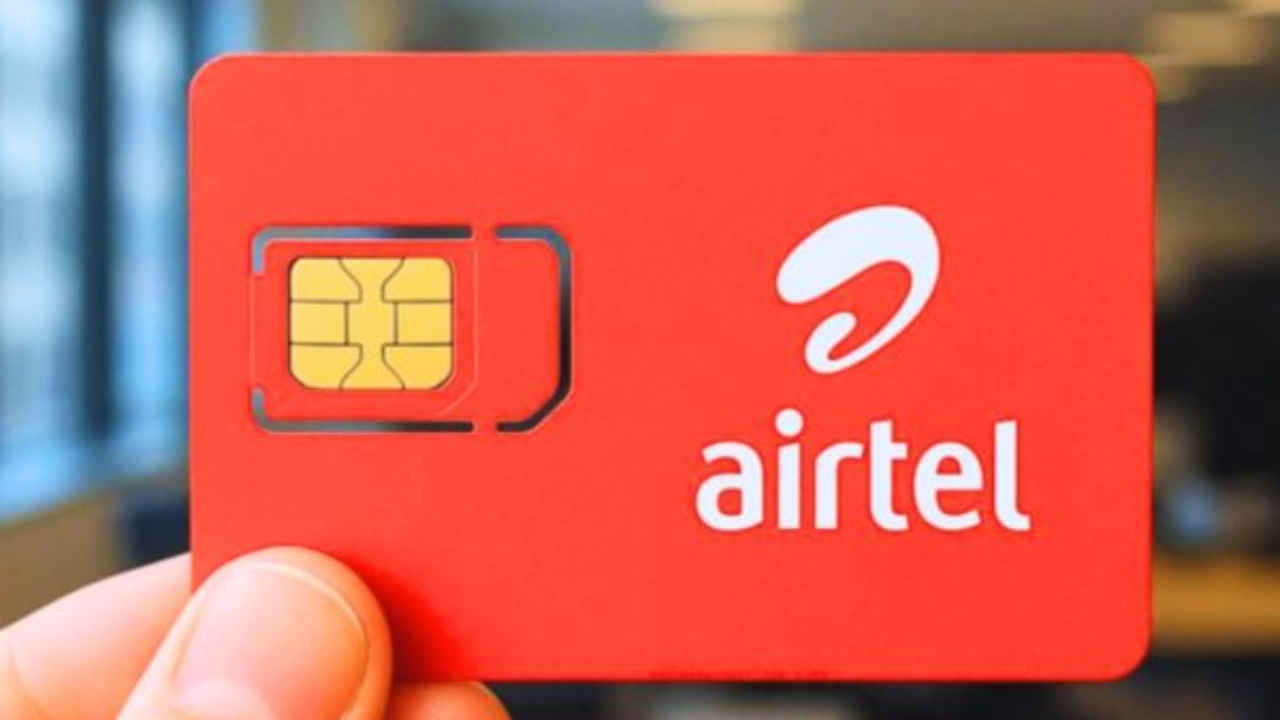
Fraudsters posed as telecom staff offering an e-SIM upgrade and tricked the victim into sharing an OTP.
Over Rs 10.5 lakh was siphoned from the doctor’s bank account after his SIM and email were compromised.
Authorities warn users to never share OTPs or click unsolicited e-SIM upgrade links and report frauds promptly.
A South Mumbai doctor who lost nearly Rs 11 lakh in an e-SIM scam. What seemed like a simple request to switch from a physical SIM to an e-SIM became a nightmare to gain full access to his personal and banking information. The incident took place in September. The Mumbai Police’s cyber cell has since arrested one suspect linked to the case, but the modus operandi highlights how easily digital trust can be exploited, especially when users unknowingly share critical information like OTPs.
The ordeal started when the doctor received a call from a person posing as a telecom company representative offering to “upgrade” his physical SIM to an e-SIM. Excited by the convenience pitch, he opened his provider’s official app and followed the instructions given by the caller.
Moments later, he received an OTP, which he unknowingly shared. The caller assured him his physical SIM would be deactivated within 24 hours. Two days later, his email password was changed, and over Rs 10.5 lakh was transferred from his bank account to multiple destinations.
Following a complaint to the Mumbai Police cyber cell, investigators tracked down a hospital office boy in Pune who had allegedly rented out his bank account for the fraudulent transactions.
What is an e-SIM?
An embedded SIM (e-SIM) is a digital version of the physical SIM card, built directly into your phone or smartwatch. It allows users to activate a cellular plan without inserting a physical SIM, making it convenient for frequent travellers and dual-SIM users.
How the e-SIM upgrade scam works
In such scams, fraudsters impersonate telecom staff and claim there’s a problem with the SIM. They persuade victims to share OTPs or click on fake upgrade links. Once they capture the OTP, they deactivate the original SIM and activate a duplicate e-SIM on their own device, getting control over the victim’s number and, consequently, access to bank accounts, emails, and digital wallets.
Also read: Motorola Razr 60 price drops to under Rs 40,000 on Flipkart: How to get this deal
How to stay protected
Authorities, including India’s Indian Cyber Crime Coordination Centre (I4C), urge users to be alert. Never share an OTP over a call or message. Avoid clicking on unsolicited e-SIM or SIM upgrade links. If you suspect fraud, contact your telecom provider immediately and report the incident on cybercrime.gov.in.