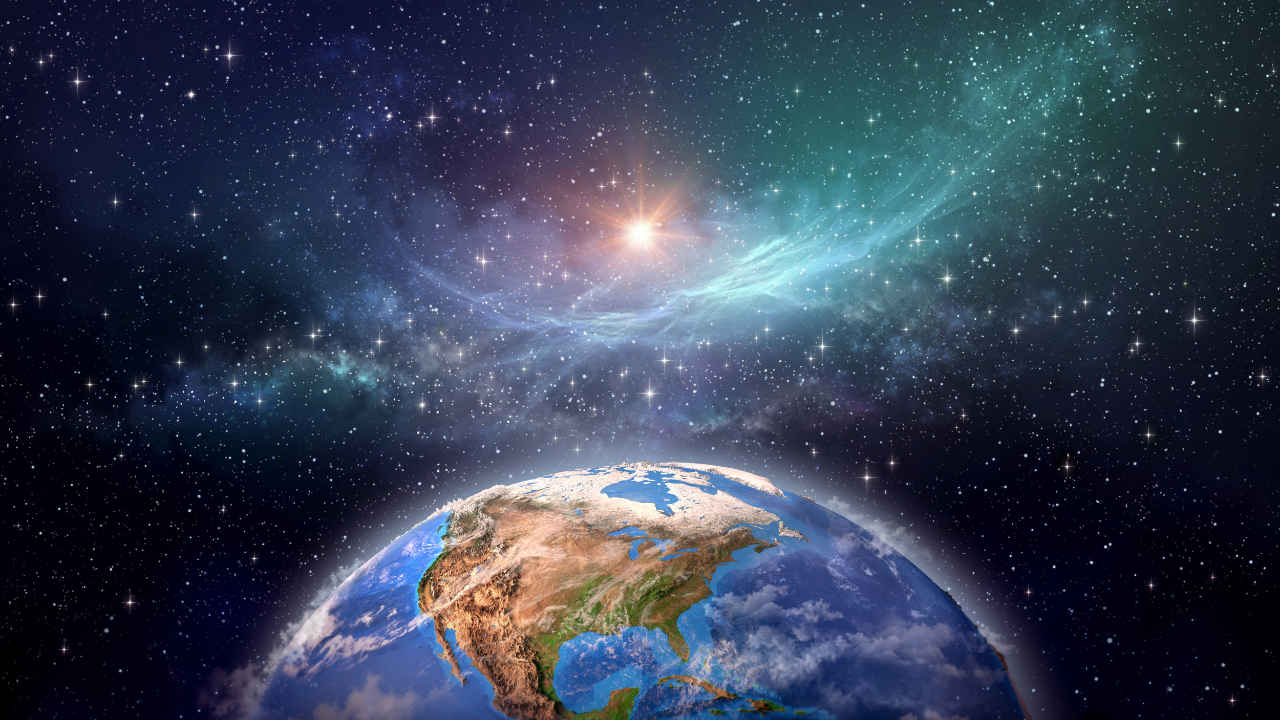
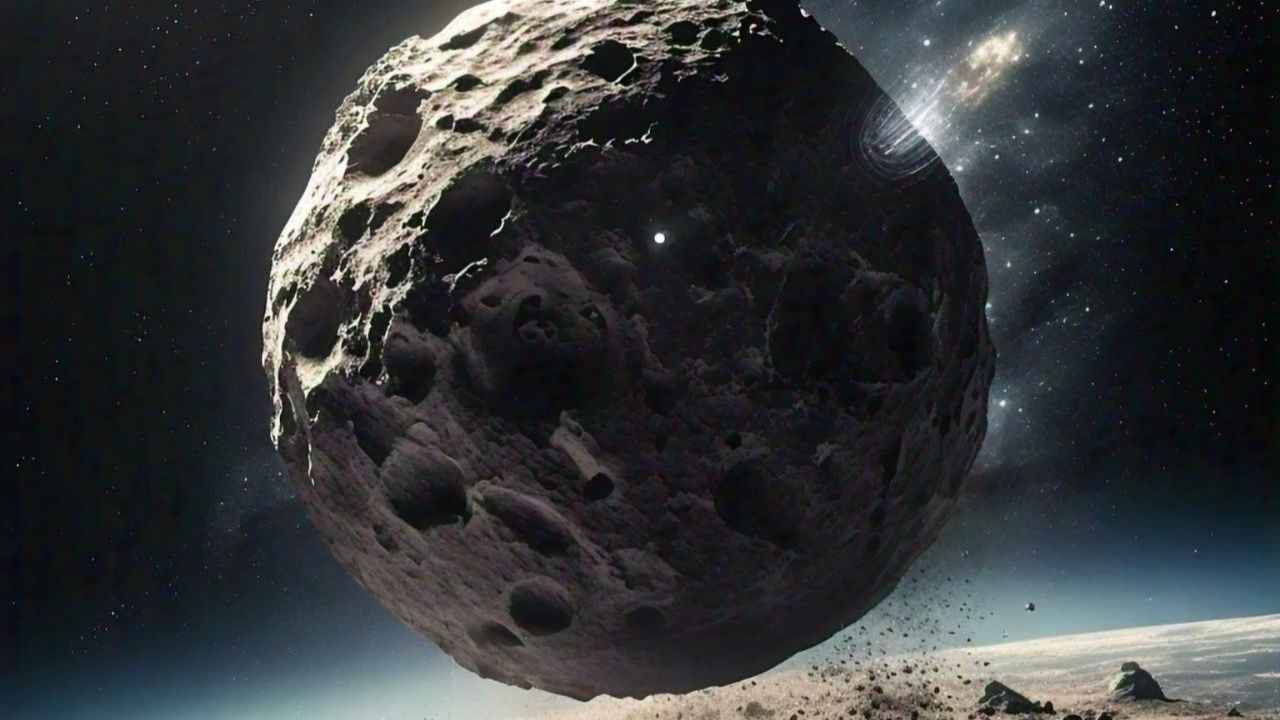
Rocky remnants of the early Solar System, mostly in the asteroid belt but some pass close to Earth.
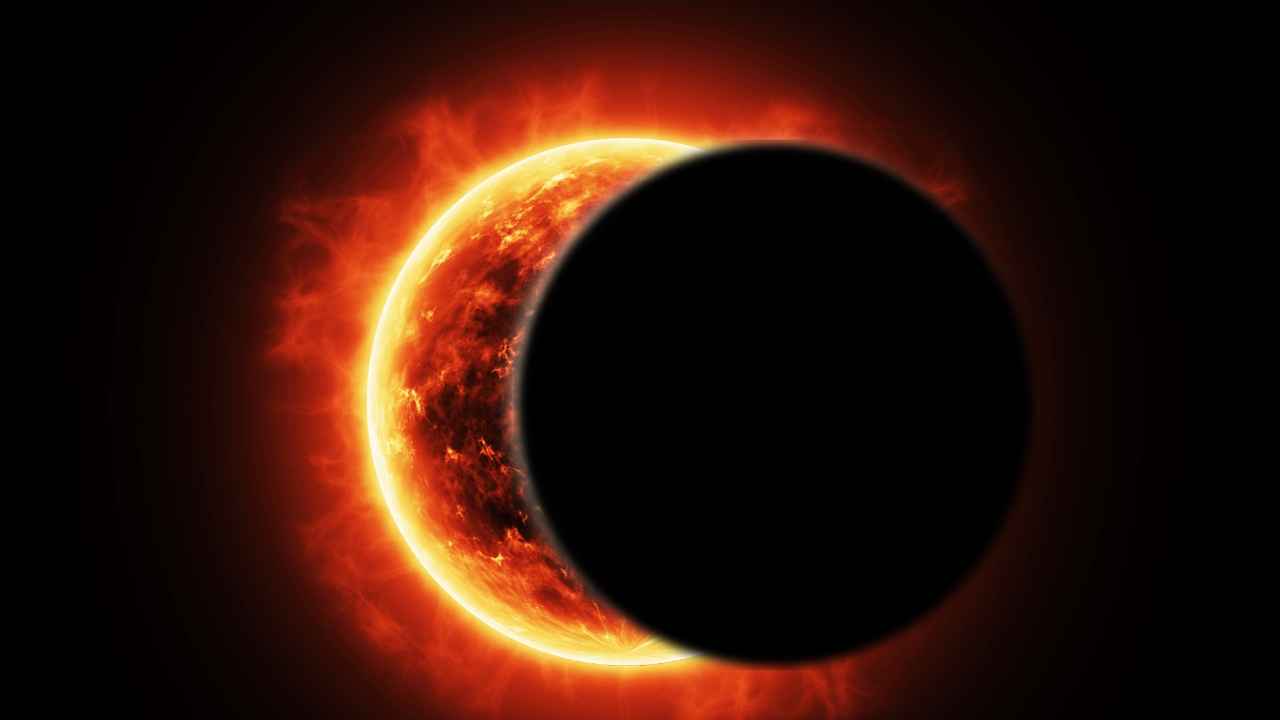
Icy “dirty snowballs” that form glowing tails near the Sun, leaving debris trails that spark meteor showers.
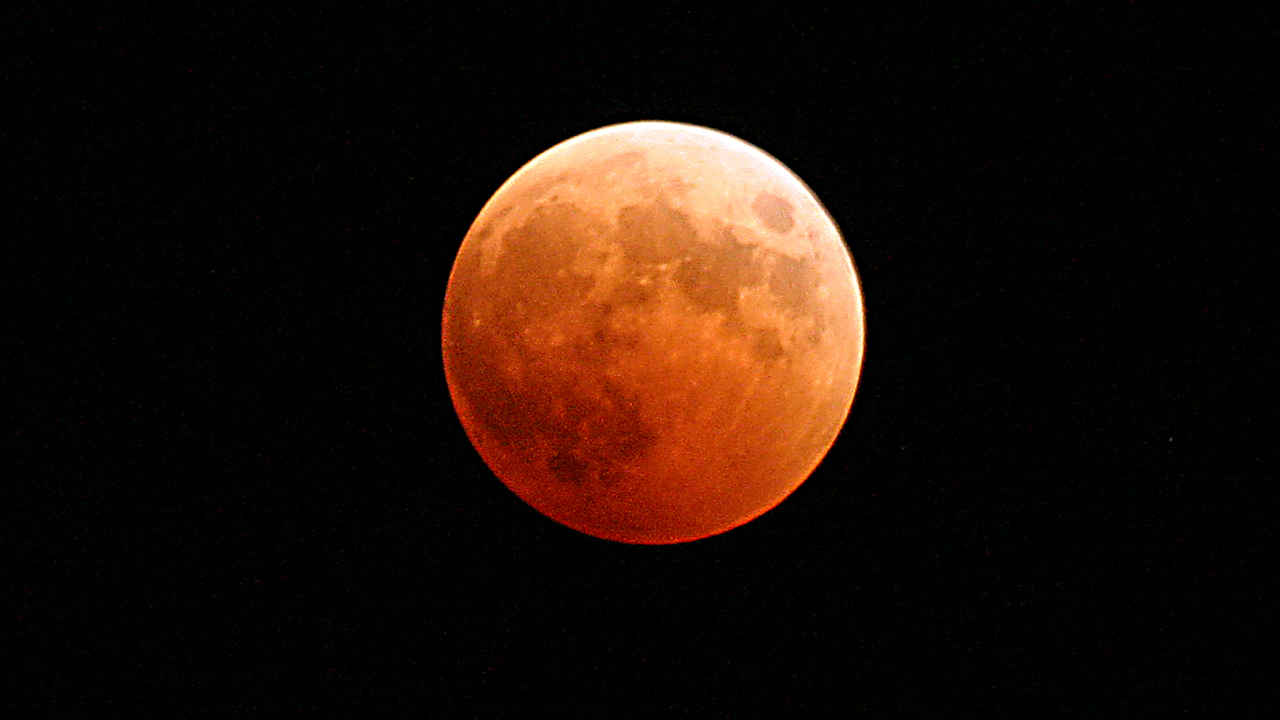
Burning meteoroids in Earth’s atmosphere, sometimes surviving as meteorites that hold clues to our Solar System’s past.
For centuries, space rocks have fascinated us. Space and its elements have always been mysterious. Astronomy is riddled with complex jargon that many of us don’t understand. However, we often keep reading and hearing about meteors, comets, and asteroids in the news. Over 5,000 tons of extraterrestrial dust fall to Earth each year, sometimes resulting in magical sights. These particles are often termed as asteroids, comets, and meteors.
Here’s what Asteroids, Comets and Meteors are and how they are different from each other.
Asteroids
According to NASA, asteroids are remnants from the early formation of our Solar System. Unlike planets, they never grew large enough to take shape. Most of them are found in the asteroid belt between Mars and Jupiter, although some share orbital paths with planets, including Earth. While they may seem harmless, some asteroids do pass close to Earth, making them objects of constant study for astronomers and space agencies.
Comets
Comets, often described as “dirty snowballs,” are made of ice, rock, and dust. As they swing closer to the Sun, their frozen cores heat up, releasing gas and dust that form the glowing tails we see from Earth. The most famous example is Halley’s Comet, which returns every 76 years. Meteor showers like the Leonids and Geminids often occur when Earth passes through the debris trails left behind by comets.
Also read: Samsung Galaxy S25 Ultra 5G price drops by Rs 24,000 on Amazon ahead of Great Indian Festival sale
Meteors
When small space rocks, called meteoroids, enter Earth’s atmosphere at immense speeds, friction causes them to burn up, creating bright streaks known as meteors or “shooting stars.” These events are common, but during meteor showers, the night sky can light up spectacularly. The Perseid meteor shower, visible every August, is one of the most famous, with its fiery trails being remnants of the comet Swift-Tuttle.
Notably, not all meteors disintegrate completely. Some survive their fiery plunge and land on Earth’s surface, known as meteorites. These rare visitors from space provide scientists with valuable insights into the early Solar System, often containing materials older than Earth itself.