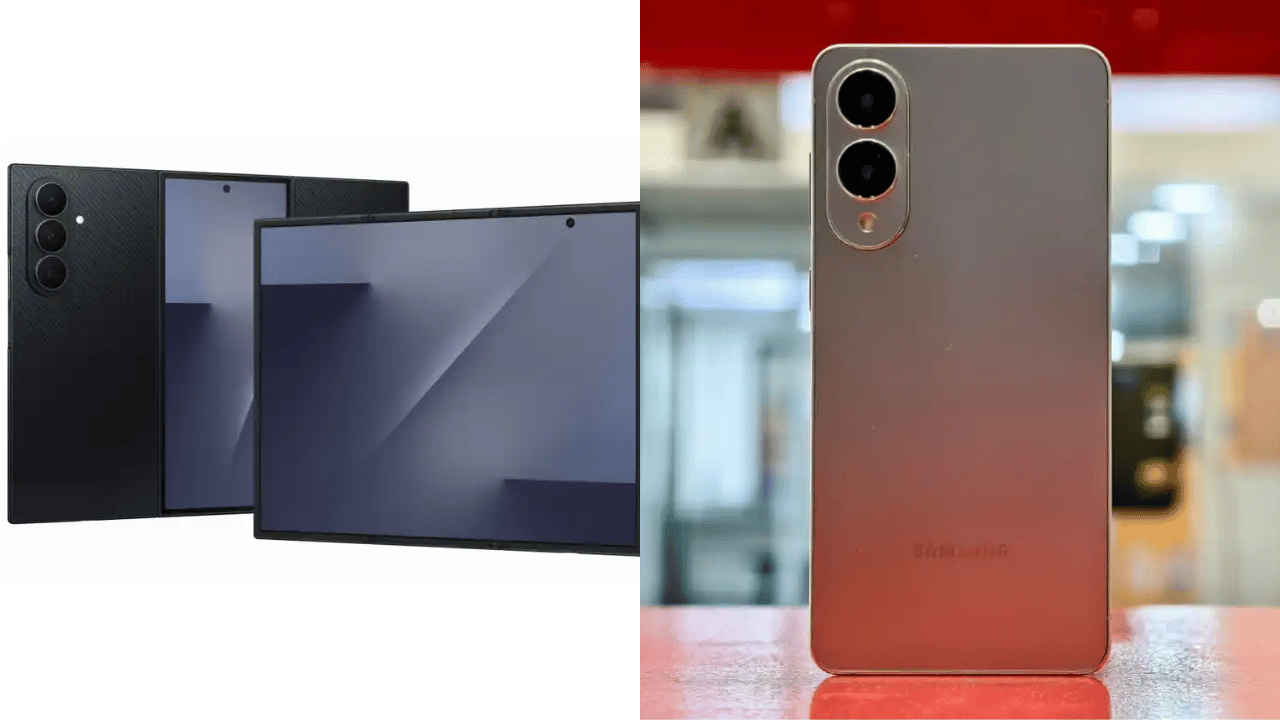
Pei says memory prices are surging as AI data centres lock in chip supplies, pushing smartphone makers down the priority list.
Brands may be forced to either raise phone prices or scale back hardware upgrades, especially in budget and mid-range segments.
Nothing’s own smartphones are also expected to get costlier as the company adopts faster and more expensive storage technologies.
Nothing Phone 3
It’s no lie that smartphones are getting expensive in 2026 due to multiple reasons. While the smartphone makers have remained tight lipped about it, Nothing CEO Carl Pei has now confirmed that the rising component costs are set to disrupt a pricing model the industry has relied on for years.
Taking to multiple posts shared on X, Pei stated that the smartphone market is entering a phase which it has not faced in over a decade. For years, brands have been benefiting from steadily declining component costs, particularly for memory and displays, allowing them to offer better hardware each year without sharply raising the prices. That trend, Pei suggested, is now reversing.
The biggest pressure point, as per him, is memory. Pei stated that the same chips used in smartphones are increasingly being absorbed by AI companies building large-scale data centres. With artificial intelligence driving unprecedented demand, major buyers are securing long-term supply contracts, pushing smartphone manufacturers down the priority list.
Also read: Flipkart Republic Day sale 2026: Apple iPhone 16 price to drop by Rs 17,000
This shift is already having an impact on pricing. According to Pei, memory costs have risen significantly since last year, making what was once a minor expense one of the most expensive components in a modern smartphone. The impact, he claims, is forcing brands to reconsider how devices are priced and specified.
As a result, manufacturers may have few options: raise prices or reduce hardware upgrades. Pei warned that the long-standing promise of providing more features at the same or lower prices would become increasingly difficult to keep. Budget and mid-range segments, which have thinner margins, are expected to feel the strain first, potentially leaving consumers with fewer options.
Pei also admitted that nothing will be exempt from these industry-wide pressures. He predicted that future Nothing smartphones would cost more, especially as the company adopted faster and more expensive storage technologies like UFS 3.1.
Looking ahead, Pei suggested that 2026 could be a watershed moment for the smartphone market. As hardware upgrades become more expensive, he believes the industry will shift its focus away from spec-driven competition and towards overall user experience, indicating a larger shift in how smartphones are designed and sold.