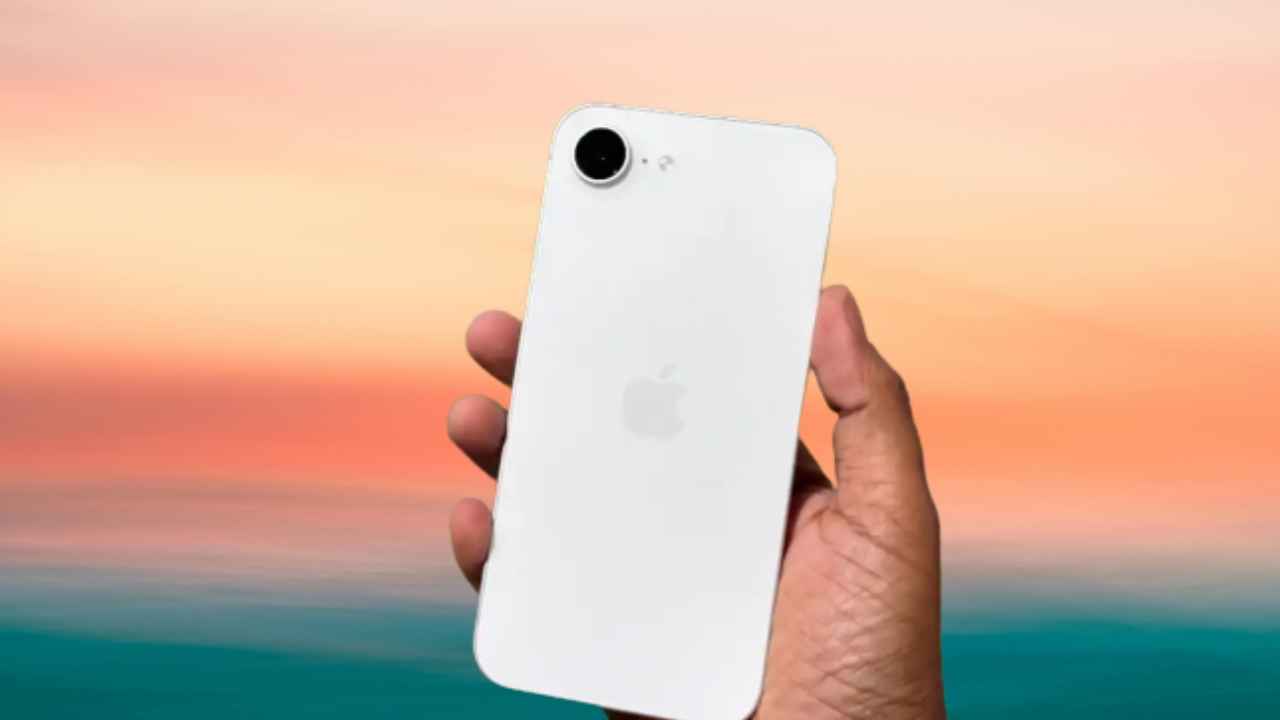
Apple’s foldable iPhone may cost around $1,999 (approx. Rs 1.74 lakh).
It is rumoured book-style design with a 5.5" outer and 7.8" inner screen, crease-free and built with a custom hinge for durability.
May drop Face ID for Touch ID in the power button and include deep iOS optimisation for foldable functionality.
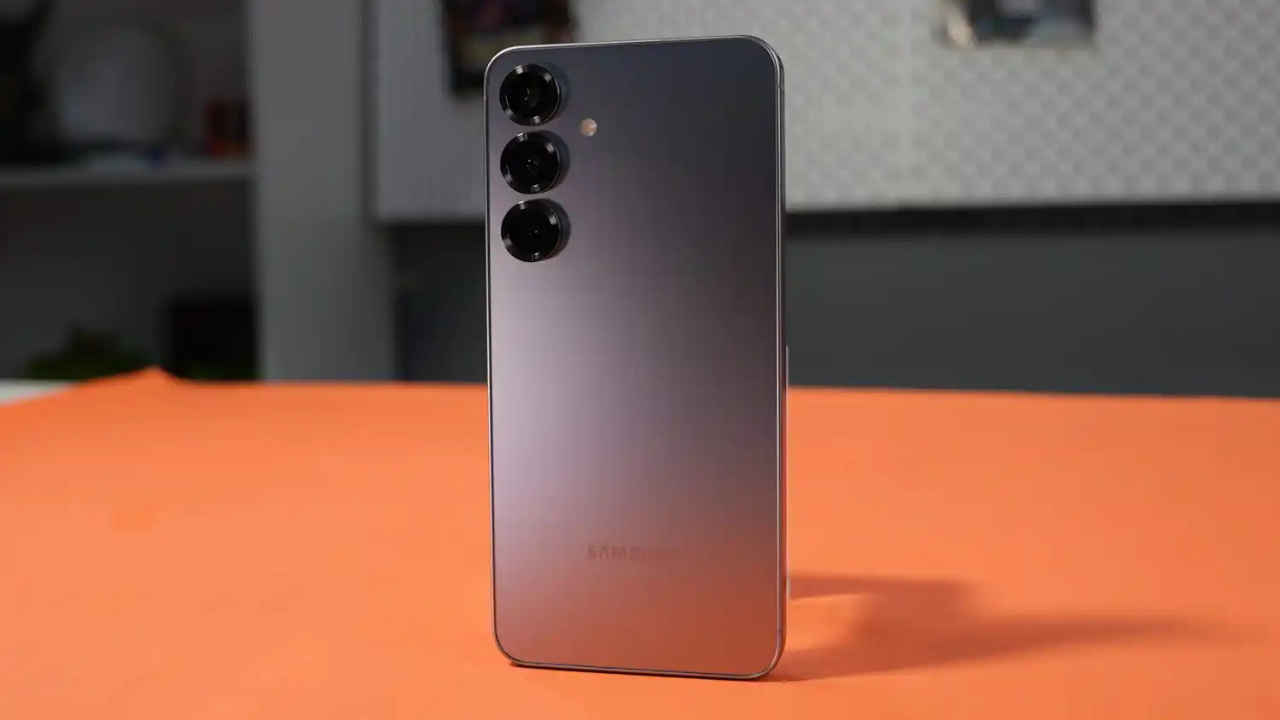
Apple is expected to launch its first foldable next year along with the iPhone 18 series. A new investor note from JPMorgan analyst Samik Chatterjee has backed the claim by suggesting a September 2026 launch timeline. Though the company has been tight-lipped about the device, recent reports have tipped some key details about Apple’s first foldable iPhone. The device will likely feature a book-style foldable design, similar to Samsung’s Galaxy Z Fold series.
Additionally, the device is rumoured to boast a 5.5-inch cover display and a 7.8-inch inner screen, slightly smaller than Samsung’s latest foldable. The inner screen is expected to be crease-free, manufactured by Samsung Display, and supported by a custom hinge and backplate for improved durability.
Here’s everything we know about Apple’s upcoming foldable iPhone.
iPhone Fold price (Expected)
The analyst predicts that Apple’s first foldable smartphone could carry a price tag of around $1,999 (roughly Rs. 1,74,000). Additionally, the handset is said to create a $65 billion revenue opportunity for the company with the projection of sales in ‘low-teens million units’ in fiscal 2027.
The tipped price also coincides with Bloomberg’s Mark Gurman report claiming that the iPhone Fold could be priced at around $2,000. However, it’s too early to confirm any details and hence should be taken with a pinch of salt.
Also read: Einstein was wrong: MIT physicists solve quantum mystery with definitive proof
iPhone Fold specifications (Expected)
The foldable iPhone is speculated to boast a 5.5-inch cover display and a 7.8-inch inner screen and come with “deep iOS optimisation for foldable use cases”.
Additionally, Ming-Chi-Kuo recently tipped that the upcoming iPhone Fold will feature a crease-free inner screen, manufactured by Samsung Display and a custom metal hinge. The handset is also tipped to have a backplate designed by Fine M-Tec for improved durability.
In terms of the camera, the foldable iPhone is likely to ship with two rear cameras and one front camera. Also, the Cupertino-based tech giant is expected to ditch Face ID in favour of a Touch ID sensor in the power button for its first foldable smartphone.