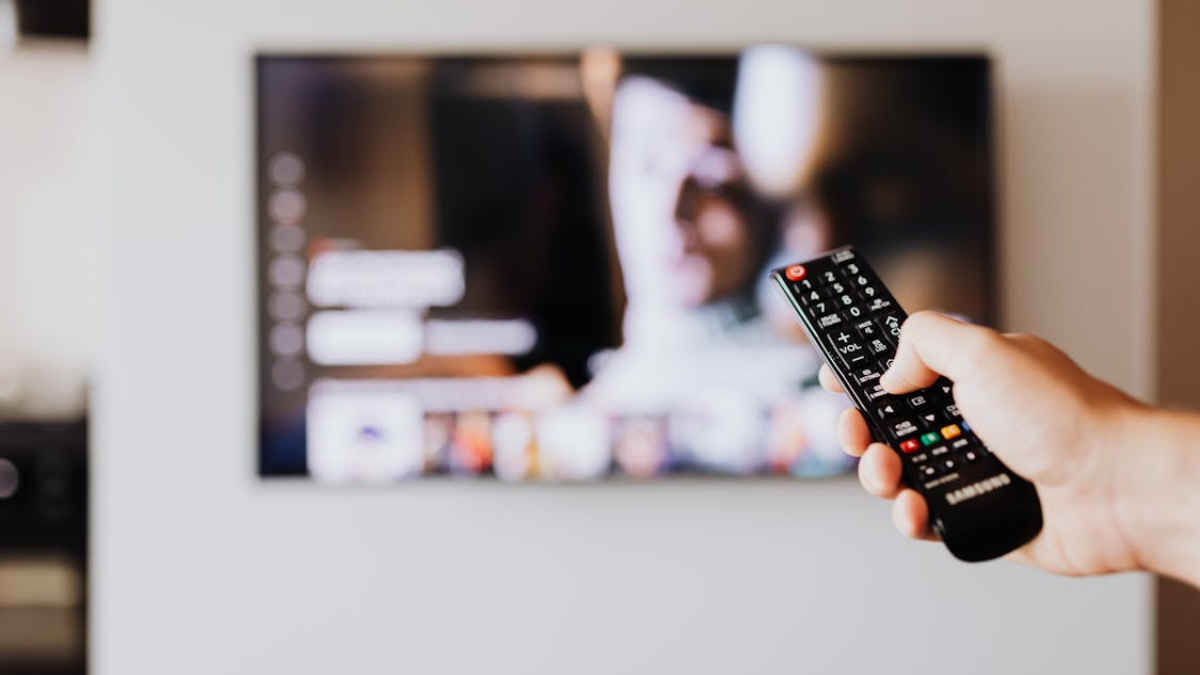
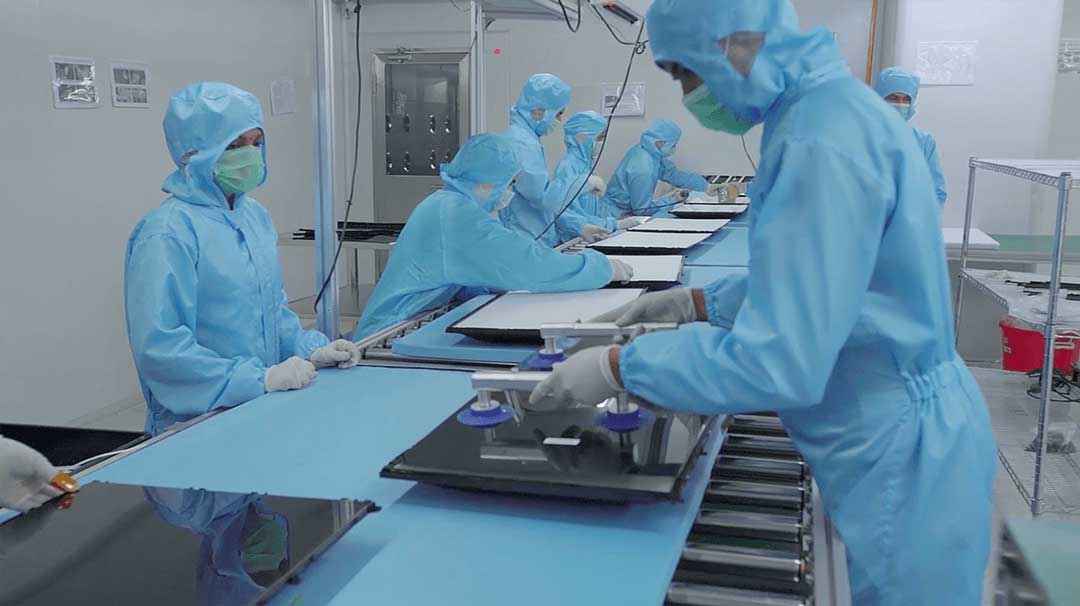
As silicon prices are starting to rise globally, the impact is beginning to show in the TV market, with higher prices on the horizon and brands rethinking how TVs are built, sold and monetised. The warning comes from within the industry itself. Executives, analysts and manufacturers now agree on one thing. The forces that pushed smartphone prices up over the past few years are moving rapidly towards televisions, with 2026 shaping up to be a turning point.
But why?
The core issue is simple. Televisions have stopped being just displays. Smart TVs are now full-fledged computing devices, like smartphones, and are no longer discretionary upgrades. They are now central entertainment hubs, expected to run complex apps, support gaming features, integrate with smart homes and stay secure for years. All of that depends on silicon. That shift has consequences, especially at a time when silicon is getting more expensive and harder to secure.
Let’s understand this in depth.
A modern television is powered by complex system-on-chips, stacked with DRAM and NAND memory, running advanced operating systems, connected through multiple wireless standards and increasingly equipped with on-device AI engines. Each of those components is part of the global semiconductor supply chain, which is under strain, largely due to the AI data centre boom.
Rising prices of DRAM, NAND, TV SoCs and power management ICs are already feeding through to manufacturing costs. According to Debasish Jana, Lead Analyst, Smart Home Research, India at IDC, the average bill of materials for smart TVs has risen by 5 to 10 percent globally.
Arjun Bajaj, Director of Videotex, a leading electronics ODM, agrees to the percentage increase in the average BOM and believes it will impact all TV screen sizes.
Unlike smartphones, however, TVs operate in a market with lower upgrade cycles and thinner margins. Consumers replace phones every two to three years. TVs often stay in homes for six to eight years, sometimes longer. This makes it far harder for TV brands to pass on costs directly, especially in price-sensitive markets.
Arjun thinks that if competitors do not raise prices, brands may still ‘absorb losses to stay competitive, but may bleed.’ Even when they decide to pass on costs gradually, they would raise prices far less than the increase in costs they have to bear.
Even leading brands like Samsung are acknowledging the situation.
‘Prices are going up even as we speak,’ Samsung’s head of global marketing, Wonjin Lee, said at CES 2026 in an interview with Bloomberg. While the company is reluctant to pass the burden on to consumers, Lee admitted the company may have to consider repricing products as costs rise.
Meanwhile, TM Roh, head of Samsung’s mobile division, told Reuters the situation was unprecedented and affected not just smartphones but TVs and home appliances as well. While Samsung is working with partners on long-term strategies to soften the blow, Roh acknowledged that some price impact was inevitable.
In India, brands are already signalling sharper moves. Avneet Singh Marwah, CEO of SPPL, the exclusive brand licensee of Thomson in India, says television prices could rise by 7 to 10 percent from January. He attributes this to the memory chip crisis and currency pressure, noting that the US dollar crossing Rs 90 has compounded the impact. Marwah adds that memory chip prices have risen sharply in recent months, and further hikes are possible over the next two quarters if conditions do not ease.
India stands out as a particularly exposed market. It combines high price sensitivity with heavy dependence on imported components. While local assembly has increased under government incentive programmes, the most expensive parts of a television, including panels, memory and chipsets, are still largely sourced from overseas. In this environment, silicon inflation is difficult to absorb.
Amit Sarabhai, CEO of VZY TV at Dish TV, has pointed out that TV brands can no longer rely on panel deflation to offset rising costs elsewhere in the system.
According to IDC’s Debashish, the 32-inch to 43-inch segment remains the most price-sensitive. He says recent cost increases have already offset the benefits of the latest GST reduction. While some manufacturers have raised retail prices by 4 to 5 percent, others are close to doing so. However, the segment remains commercially viable for now, largely because it requires less powerful hardware compared to larger and more feature-rich models.
That does not mean all sizes are affected equally.
Debashish notes that big-screen TVs, particularly 55-inch and 65-inch models, are likely to ‘suffer the most’. Demand for larger screens has grown rapidly in India over the past five years, driven by streaming, gaming and falling panel prices. While this demand is unlikely to reverse, consumers should expect higher entry points for these sizes.
In the mid-range segment, brands are already responding with selective price increases to offset rising bills of materials. Over the longer term, the IDC analyst says new product launches may involve ‘trade-offs, such as omitting non-essential certifications or using lower-tier hardware configurations’.
Premium TVs are expected to follow a different path. Prices in this segment are likely to edge up more discreetly, supported by stronger brand positioning and higher perceived value. These models may also become more profitable, even if volumes remain stable.
And during the sale periods, instead of straightforward discounts, brands could lean more heavily on alternative incentives. Content bundles, longer EMI schemes, advertising-led subsidies and bundled services will increasingly replace simple price cuts. While headline prices may rise, perceived value will be managed through financing and ecosystem tie-ins.
Also Read: We want to deliver a Rs 20,000 experience at one-third the cost: Noise co-founder Amit Khatri
As hardware margins come under pressure, the TV industry is preparing for a deeper structural shift. This, again, follows the smartphone playbook.
Over the past decade, smartphone brands have moved away from relying solely on hardware margins. Ecosystem monetisation now plays a central role. App stores, subscriptions, advertising, cloud services and financing all contribute to profitability, allowing brands to price hardware more aggressively or absorb cost increases.
Televisions are heading in the same direction.
Smart TV platforms are becoming monetisation engines. Content partnerships, advertising inventory, data services and operating system licensing are increasingly important revenue streams. In some cases, these can subsidise hardware costs directly.
For consumers, this may mean cheaper upfront prices paired with deeper integration into content ecosystems. For brands, it offers a way to offset rising silicon costs without relying entirely on price hikes.
However, this shift also raises questions about long-term value. Feature cuts in mid-range models, heavier advertising and shorter software support cycles could become more common. The TV may be cheaper to buy, but more expensive to live with over time.
The brands are also forecasting the demand to mitigate the risk of excessive inventory costs, remarks IDC’s Debashish. He does not expect any dramatic changes in India’s import dependence over the coming year, though. Videotex’s Arjun says the price increase is due to ‘global demand and capacity constraints, not India’s import dependency.’ He adds this is ‘a global supply-side shock and is expected to ease as new capacities come up, likely by next year.’
If you are planning to buy a TV, know that prices could rise in 2026, even if it doesn’t spike overnight. Entry-level choices may shrink. Mid-range models may offer less than before. Premium TVs will continue to improve, but at higher prices.
And for brands, the challenge is strategic. Those who rely solely on hardware differentiation will struggle. Those who build strong ecosystems, control key components or manage software and content effectively will be better positioned.
For the industry as a whole, 2026 could be a reset year.
If smartphones are the canary in the coal mine, televisions are not far behind. They share the same silicon destiny, the same supply chains and increasingly, the same business logic. The difference is scale. TVs aren’t a personal purchase like phones, and so, when their prices move up, the impact will be felt across living rooms.
Keep reading Digit.in to stay updated about similar stories.
Also Read: Sony and TCL sign MoU to form global joint venture for TVs and home audio