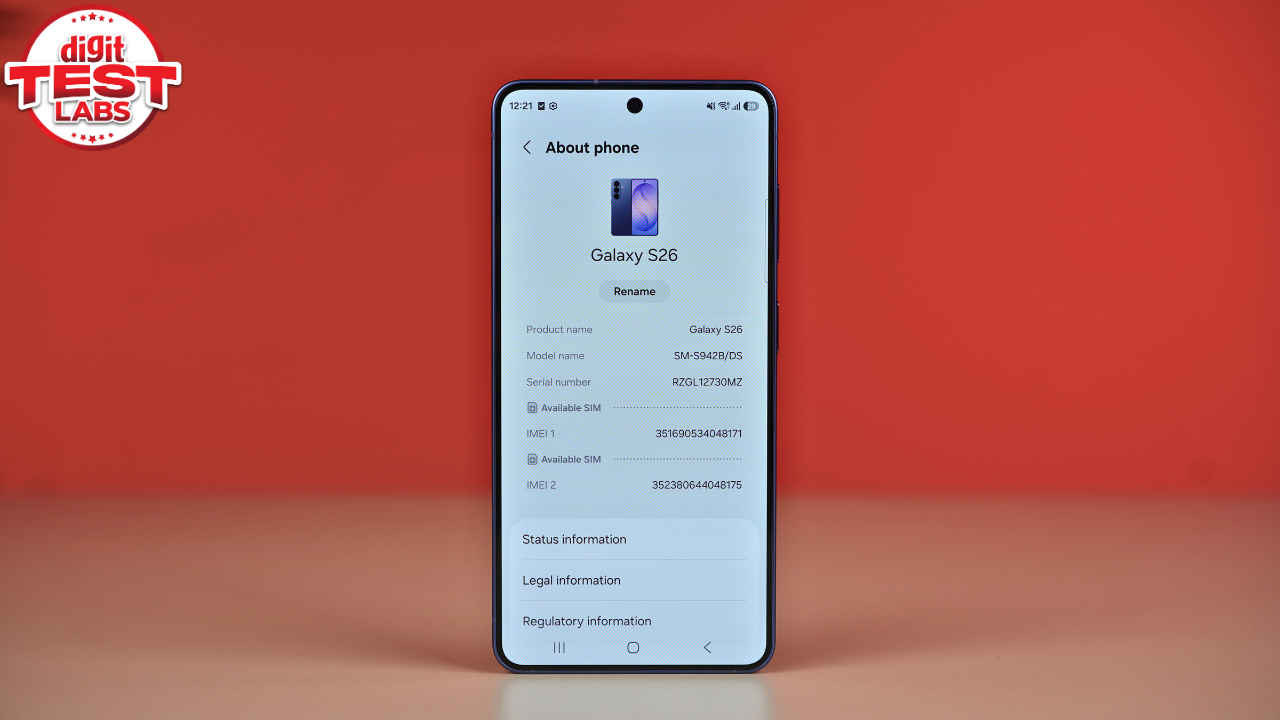
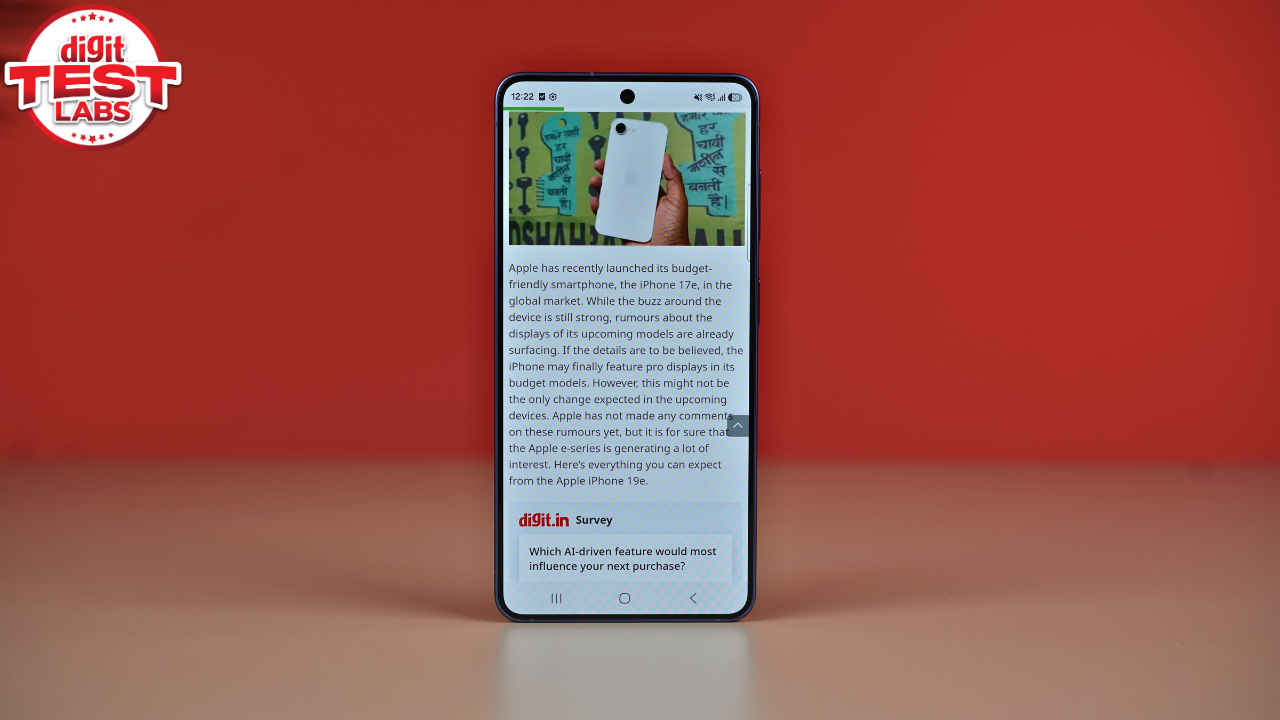
Every year, Samsung’s Galaxy S lineup launches with a clear star of the show, the Ultra. It’s bigger, flashier, and packed with everything Samsung can throw at it. But within that lineup is a phone that has time and again, quietly made a strong case for itself. If you haven’t guessed it by now, the phone I am talking about is the Galaxy S26. And if you’re someone who still believes a flagship should fit comfortably in one hand, this might just be the one to watch.
I’ve been using the Samsung Galaxy S26 for about a week now, and this isn’t just another ‘smaller variant’ per se. In fact, this is Samsung’s take on still valuing the compact flagship phone segment. Let’s dive in.
The first thing you’ll notice with the Galaxy S26 is that the whole series has a unified design approach. And while the changes are subtle, it still adds that sense of newness to the phone without drifting away from the core design fundamentals Galaxy S flagships are known for.
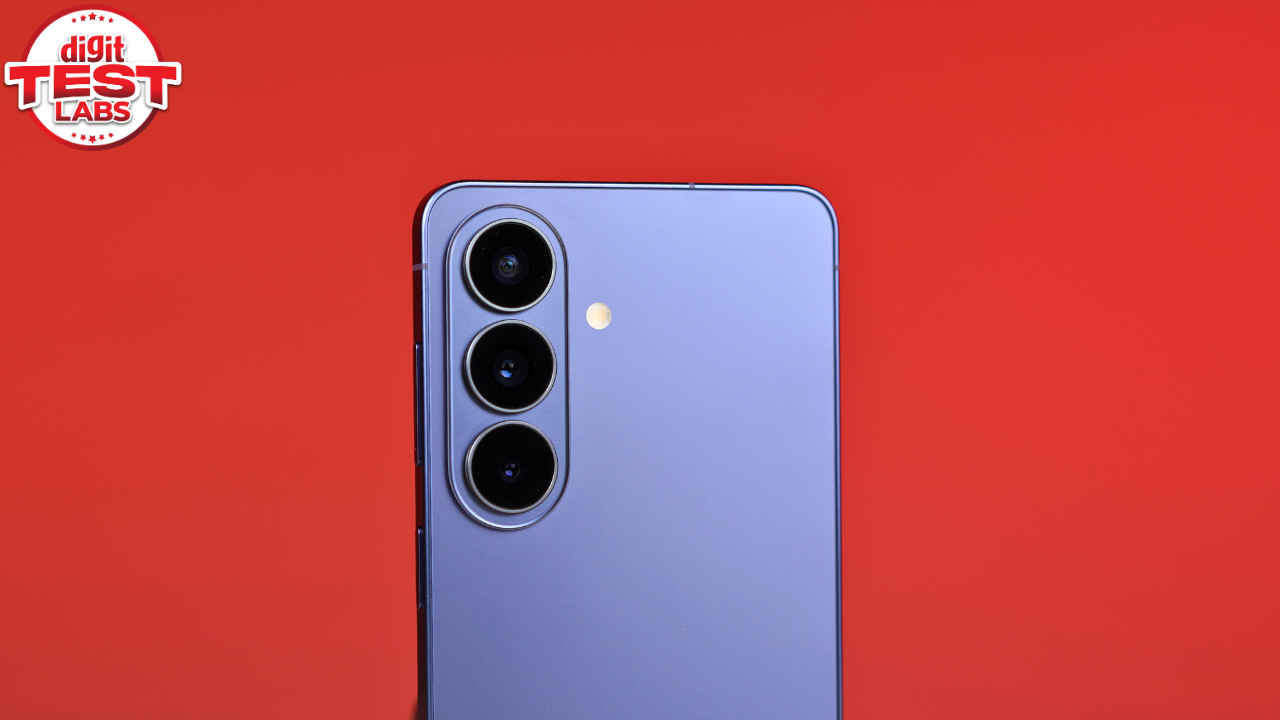
Unlike last year, when the Galaxy S25 and S25 Plus had the same visual identity, the S26 introduces a new camera design. Instead of individual camera rings, there’s now a clean strip-style vertical plateau that houses all three lenses, something that was also there on the Galaxy Z Fold 7. As I mentioned, it’s a small change on paper, but in real life, it makes the phone instantly recognisable. Honestly, I quite like it.
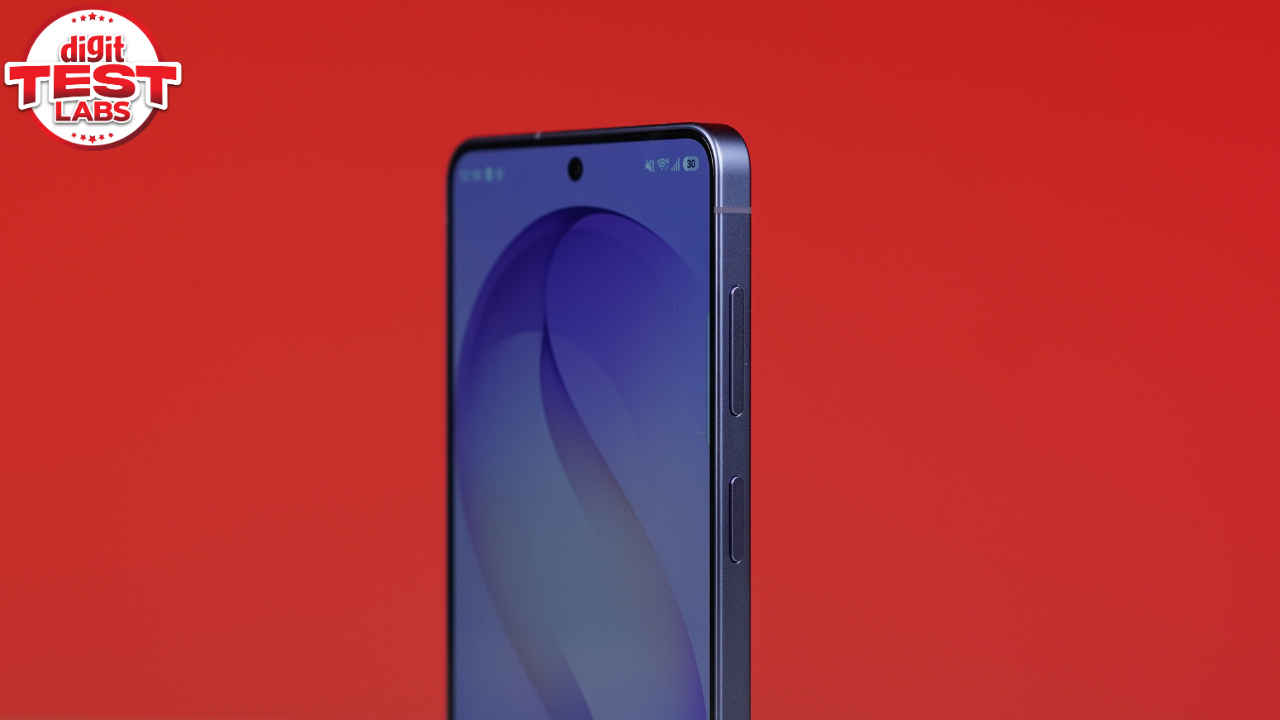
One other change that I immediately noticed from last year’s model is the slightly larger display and a weight gain of about 5 grams. But when I held the Galaxy S26 in my hand after unboxing it, that difference was practically invisible. For me, the S26 still nails that compact, comfortable grip, the kind of phone you can actually use with one hand.
The build quality is also exactly what you’d expect at this price. Gorilla Glass Victus 2 on the back, along with an Armor Aluminum frame.
Samsung sent us the Cobalt Violet variant, and looking at the variety of content around the Galaxy S26 series on the internet, it’s quite evident that this is the flagship colour this year. And why shouldn’t it be? This deep shade of violet, which almost looks like a stealth grey at different angles, absolutely stands out. It’s subtle, but when light hits it, it shines. Of course, if you want something safe, there’s black, white, and sky blue. And if you want something a bit more exclusive, Samsung is also offering Silver Shadow and Pink Gold colours as special editions.
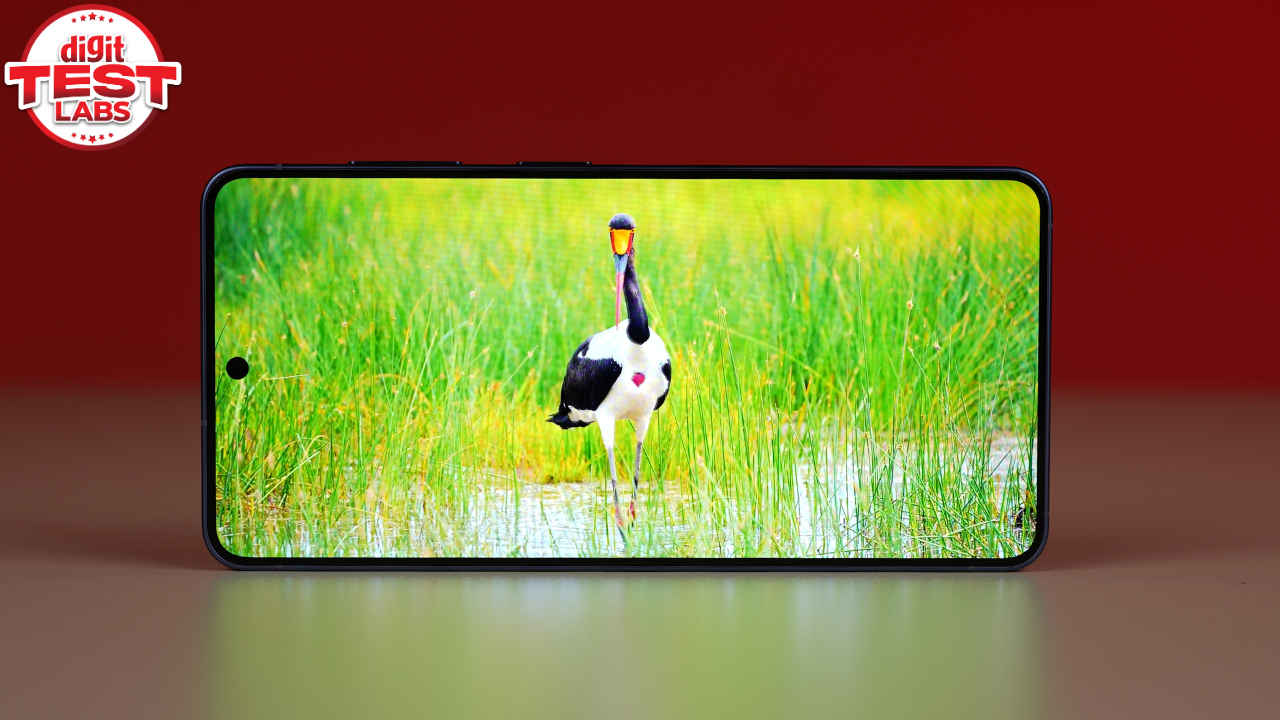
The Galaxy S25 has a 6.2-inch display. Well, the S26 has a slightly larger 6.3-inch LTPO panel. On paper, while this change doesn’t sound like much, it does give you a teeny bit more screen without compromising the compact feel.
What we have here is a Dynamic AMOLED 2X display with a 120Hz refresh rate and HDR10+ support, which, as expected, looks fantastic. Colours are punchy, viewing angles are solid, and everything feels smooth. Whether you’re scrolling through apps or watching content, this is classic Samsung display quality and that’s still one of the best in the business.
Peak brightness is rated at 2,600 nits, though I’ll reserve final judgement for lab testing. But in day-to-day use so far, visibility hasn’t been an issue at all.
One thing missing here, though, is the new Privacy Display feature. Yes, I know it is exclusive to the S26 Ultra, but this is exactly the kind of feature that would’ve made the standard S26 stand out even more.
If you were expecting major camera upgrades, this is where things stay familiar. The Galaxy S26 carries forward the same triple camera setup from the Galaxy S25:
On paper, nothing has changed from the S25, but in typical Samsung fashion, the superior image signal processing, courtesy of the new 2nm Exynos 2600 chip, continues to do the heavy lifting.
During the initial testing, images from the main camera have come out punchy, with good dynamic range and strong contrast. Night shots also benefit from Samsung’s processing. The phone manages to pull in good amounts of detail while keeping noise under control.
One feature I genuinely liked is the horizon lock. As the name suggests, the new feature literally locks in the horizon while you’re recording footage. This way, even if you fully rotate the phone physically, the footage stays level and smoothly stabilised.
The front camera remains a 12MP shooter, and it does what Samsung does best: selfies that look natural without going overboard on processing.
This is where things get interesting. The Galaxy S26 runs on the new Exynos 2600, which is the industry’s first 2nm chipset. It comes with a 10-core CPU, an upgraded Xclipse 960 GPU, and a significantly improved NPU focused on AI performance. Samsung is claiming up to 39% better CPU performance and a massive 113% boost in generative AI tasks compared to the previous generation.
Now, numbers are one thing, real-world performance is another. In my usage so far, the phone is fast. With all my apps in place, launch times are quick, animations are smooth, and there are no stutters whatsoever. But the real test will be sustained performance, gaming, thermal management, and long-term consistency. That’s where Exynos chips have historically faced criticism, so that’s something I’m especially curious about.
The battery on the Galaxy S26 has also been increased, now featuring a 4,300mAh unit. However, it still isn’t particularly large when compared to competitors. The phone supports 25W wired charging, which can charge it up to 69% in 30 minutes. It also supports 15W wireless charging, along with 4.5W reverse wireless charging.
After using the Galaxy S26 for about a week, one thing is clear: this phone knows exactly what it wants to be. It’s not trying to compete with the Ultra. It’s not trying to be the most feature-packed device in the lineup. Instead, it focuses on delivering a clean, reliable flagship experience in a compact form factor. And for someone like me, who prefers smaller phones that are actually usable with one hand, this hits the sweet spot. The design feels distinct. The display is as good as ever. Performance looks promising, though it needs deeper testing. And while the cameras haven’t changed, they’re still dependable. Yes, the battery could be bigger. Yes, charging could be faster. And yes, the price bump will make people think twice.
But if your priority is a compact flagship that doesn’t feel compromised, the Galaxy S26 is looking to be a very strong contender. And honestly, this might be the year where the ‘non-Ultra’ finally gets the attention it deserves.
I’ll be putting the Samsung Galaxy S26 through its paces in the Digit Test Labs. Stay tuned to Digit for the full review.