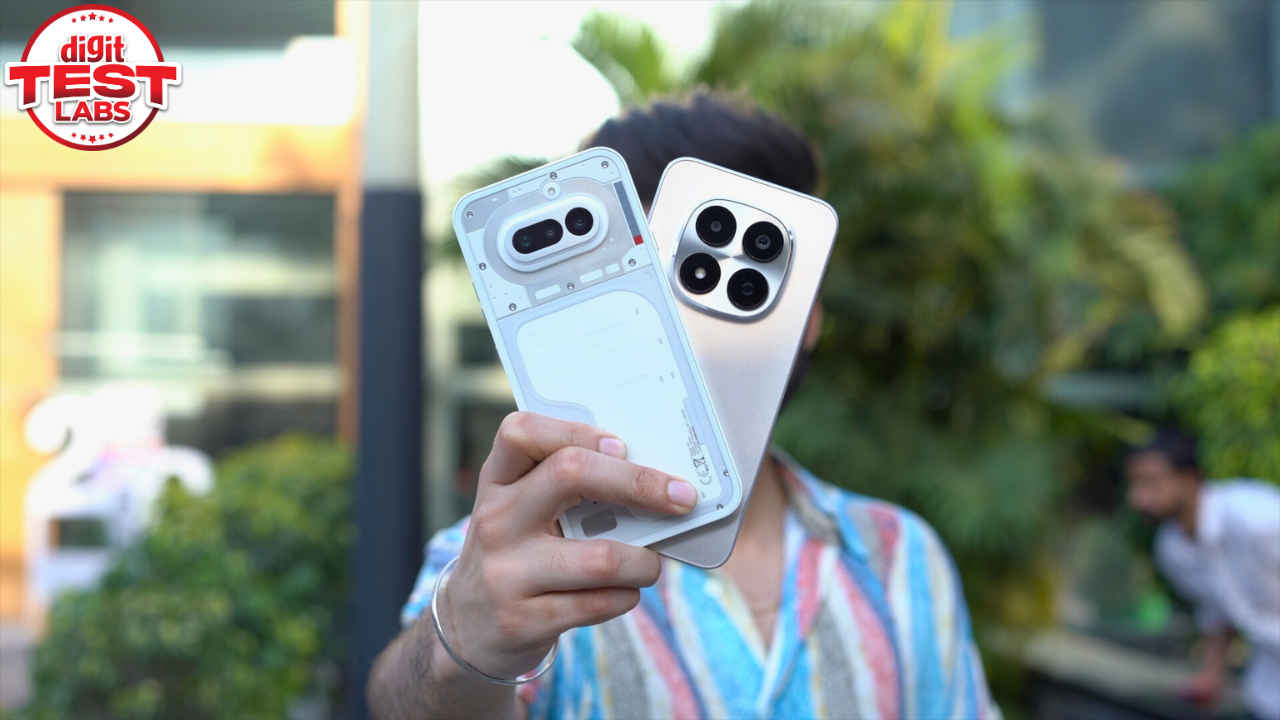
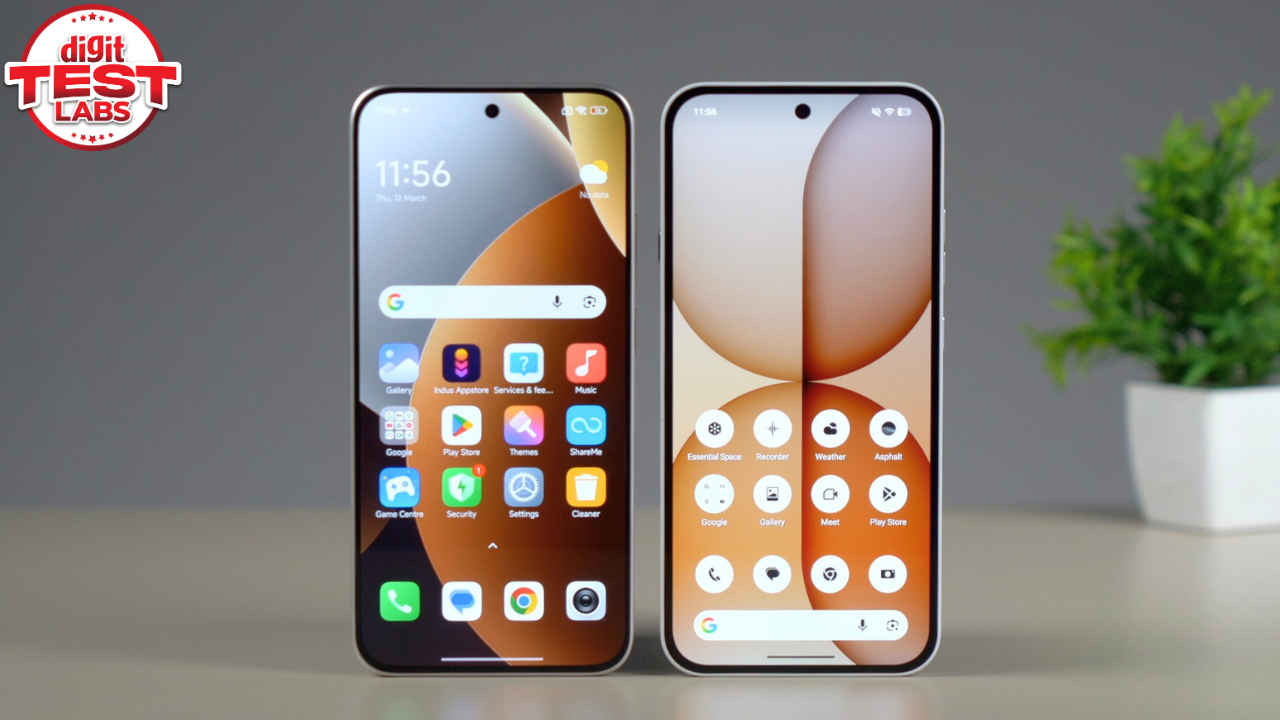
The sub-Rs 30,000 smartphone segment has become increasingly crowded lately. Some phones prioritise performance, others focus on cameras, and a few try to balance everything without leaning too heavily in one direction. The Nothing Phone 4a and the Redmi Note 15 Pro fall into that last category, but they approach it very differently. Nothing continues to build around design and software experience. The Phone 4a feels like a device that is meant to stand out visually while offering a clean and consistent user interface. Redmi, on the other hand, takes a more practical route with the Note 15 Pro. It focuses on durability, a larger battery, and a display that aims to deliver a superior viewing experience.
After using both phones as daily drivers and running them through our Digit Test Labs, the differences between them become quite clear. Let’s dive in.
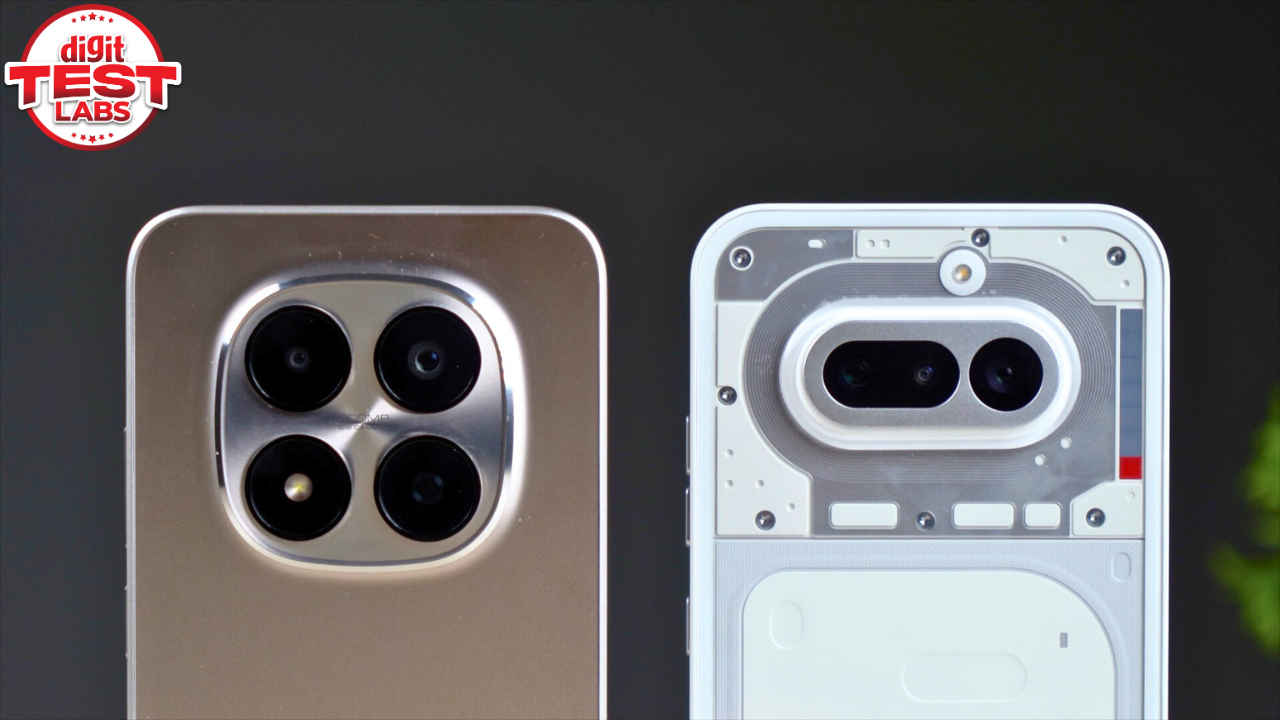
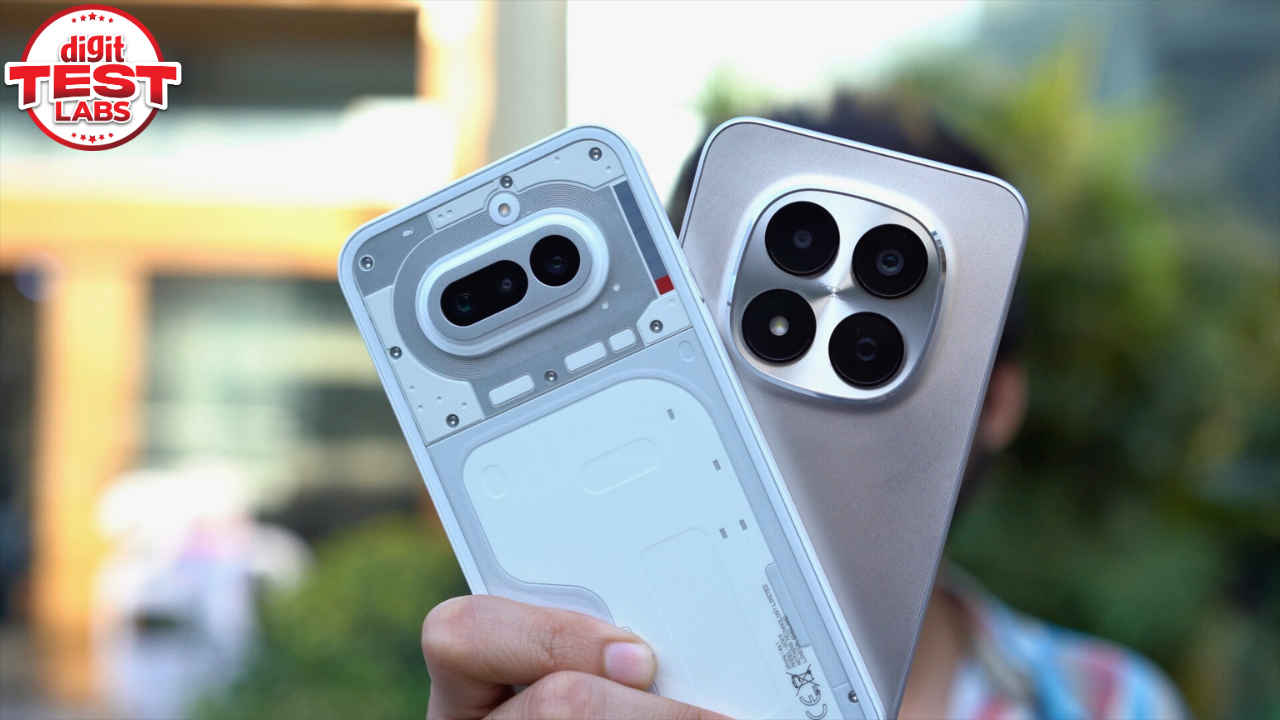
The Nothing Phone 4a is clearly designed to stand out. The transparent back panel, visible screws, and the new Glyph Bar give it a distinctive identity that is hard to miss. It’s the kind of phone that draws attention the moment someone sees it.
The Glyph Bar itself is more subtle than the older Glyph lighting system, but it still adds a layer of interaction. It reacts to notifications, responds to volume changes, and includes a small red indicator that lights up while recording video. These are small details, but they add personality to the device.
The Redmi Note 15 Pro, on the other hand, features a flat frame along with a matte finish and a squarish camera module. It looks clean and modern, but it doesn’t attempt to stand out in the same way as Nothing’s offering.
There’s also a difference in how the phones feel because of the materials used. The Nothing Phone 4a uses a glass back, which gives it a slightly more premium in-hand feel. The Redmi Note 15 Pro uses a plastic back, which is practical but doesn’t feel as refined.
Where Redmi pulls ahead is durability. The Nothing Phone 4a comes with Gorilla Glass 7i and an IP64 rating, which is sufficient for everyday protection. The Note 15 Pro goes further with Gorilla Glass Victus 2 and has IP66, IP68, IP69, and IP69K ratings. It is clearly built to handle tougher conditions.
The Redmi also includes an IR blaster, which can be useful for controlling appliances, something the Nothing phone does not offer. In simple terms, the Nothing Phone 4a focuses on design and uniqueness, while the Redmi Note 15 Pro focuses on durability and practicality.
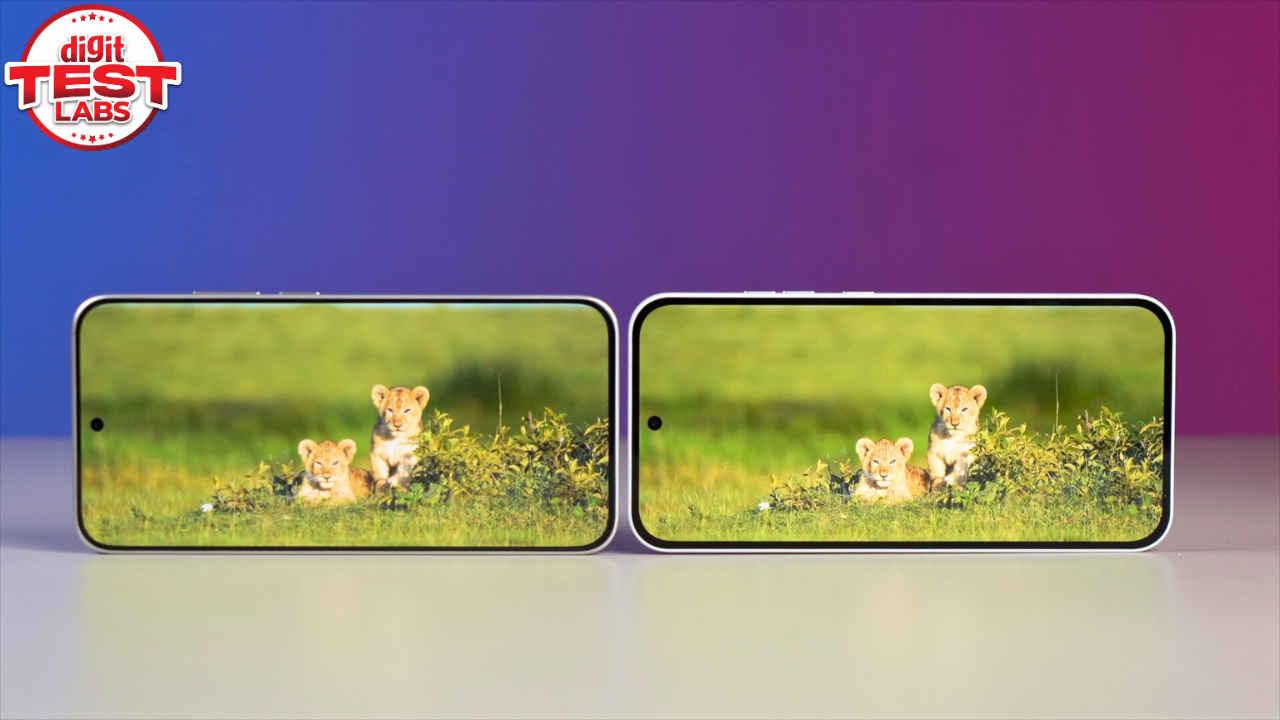
The Nothing Phone 4a comes with a 6.78-inch 1.5K LTPS AMOLED display with a 120Hz refresh rate. The Redmi Note 15 Pro features a slightly larger 6.83-inch 1.5K LTPS AMOLED panel with a 120Hz refresh rate.
In everyday use, both displays perform well. Scrolling feels smooth, colours are vibrant, and watching content on either phone is enjoyable. You can’t immediately tell which display is good or which one is bad.
However, testing reveals subtle differences.
In the Calman colour test, the Nothing Phone 4a recorded an average Delta E of 2.4, while the Redmi Note 15 Pro came in at 2.6. Both are good results, but the Nothing phone is slightly more accurate. Colour gamut coverage is also excellent on both devices. The Phone 4a achieved 99.9%, while the Note 15 Pro reached 99.5%, which means both panels reproduce colours very well.
Brightness is where Redmi starts to stand out. The Nothing Phone 4a reached 2,640 nits in our testing, while the Redmi Note 15 Pro went higher at around 3,120 nits. The difference becomes clearer when you look at the Redmi’s display outdoors.
Redmi also supports HDR10+ and Dolby Vision playback, which gives it an advantage when watching HDR content. The display feels slightly more cinematic, especially when streaming from platforms that support HDR.
The Nothing Phone 4a still delivers a very good viewing experience, with deep blacks and strong contrast. But if brightness and HDR matter more, the Redmi Note 15 Pro has the advantage.
The Nothing Phone 4a is powered by the Snapdragon 7s Gen 4, while the Redmi Note 15 Pro uses the MediaTek Dimensity 7400 Ultra.
Here are a few benchmark numbers to give you context regarding the differences between the two chipsets. The Phone 4a scored around 1.02 million on Antutu, compared to approximately 9.3 lakh on the Redmi. In Geekbench 6, the Nothing device achieved 1,255 in single-core and 3,365 in multi-core, while the Redmi recorded 1,052 and 2,949, respectively.
In the 3DMark Wild Life Extreme test, the Phone 4a again came out ahead with a score of 1,110 compared to 1,009 on the Note 15 Pro. In the CPU throttling test, Nothing’s CPU was throttled to 94%. That said, these numbers don’t fully define the experience.
In daily use, both phones feel fast and responsive. Apps open quickly, multitasking is smooth, and tasks like browsing, messaging, and streaming do not cause any noticeable issues.
The Nothing Phone 4a does feel slightly smoother overall, and that has more to do with software optimisation than raw power. Nothing OS has a lighter feel and more polished animations, which gives that smoothness.
Gaming performance also favours the Nothing device. BGMI runs at up to 120fps on the Phone 4a, while the Redmi is limited to 60fps. In Call of Duty Mobile, both phones support up to 90fps.
Both devices manage thermals reasonably well, though minor frame drops can appear during longer gaming sessions. Overall, while both phones perform well, the Nothing Phone 4a offers a slight edge in performance and gaming.
The Nothing Phone 4a features a triple camera setup with a 50MP main sensor, a 50MP periscope telephoto lens with 3.5x optical zoom, and an 8MP ultra-wide camera.
The Redmi Note 15 Pro uses a 200MP main sensor paired with an 8MP ultra-wide camera.
In daylight photography, both phones produce good results. The Nothing Phone 4a tends to deliver slightly more contrast, while the Redmi Note 15 Pro focuses on natural colours.
The advantage of the Redmi’s high-resolution sensor becomes visible when zooming into images. Details appear slightly sharper compared to the Nothing phone.
(The camera samples in the top row are from the Nothing Phone 4a, while the samples in the bottom row are from the Redmi Note 15 Pro)
HDR performance is handled better by the Nothing Phone 4a. The Redmi tends to overexpose highlights slightly, while the Phone 4a maintains a more balanced exposure.
Indoor photography also favours the Nothing Phone 4a, which delivers more consistent results.
Where the Nothing phone clearly stands out is in portraits and zoom photography. The dedicated telephoto lens gives you a natural background blur and better subject separation. Portrait images look cleaner and more consistent compared to the Redmi, which relies on digital cropping.
The ultra-wide cameras on both phones perform quite similarly, producing comparable results in most conditions.
For selfies, the Redmi Note 15 Pro captures more detail, but the Nothing Phone 4a produces better portrait selfies with more accurate edge detection.
Video recording is similar on both devices, with support for 4K at 30fps with decent output.
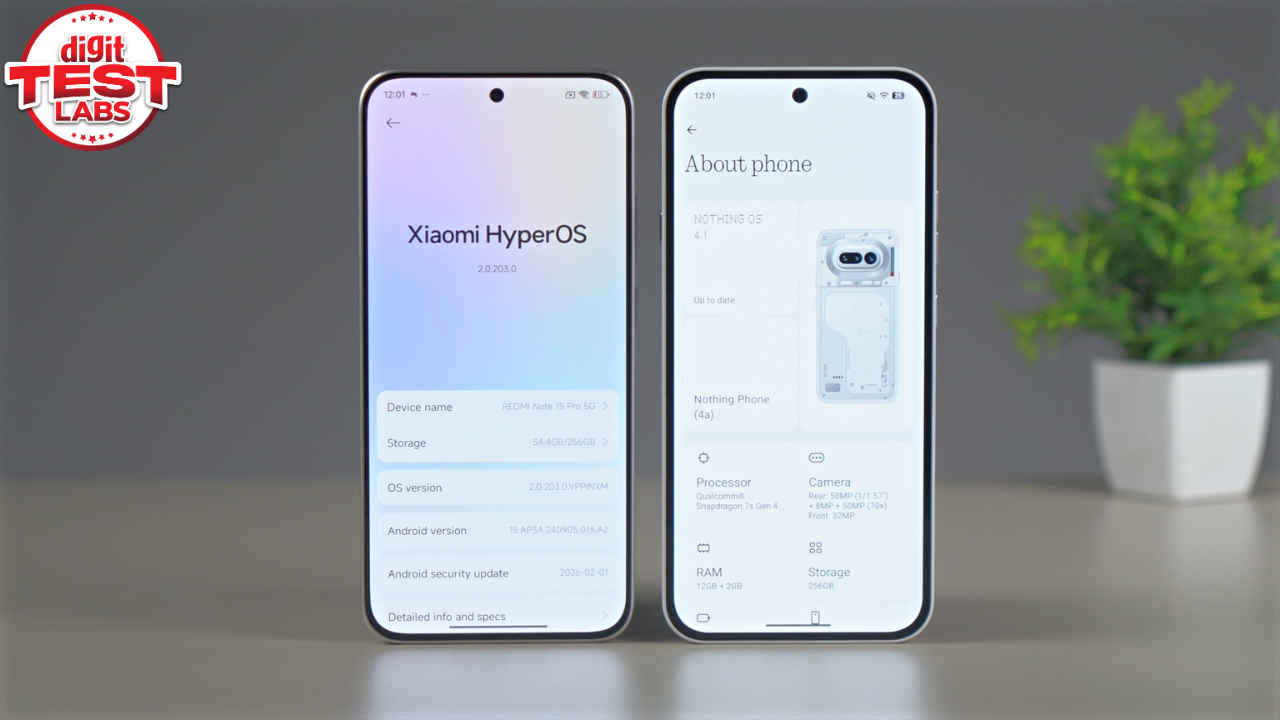
The Nothing Phone 4a runs Nothing OS 4.1 based on Android 16. The interface is clean, minimal, and free from unnecessary clutter. It feels consistent and easy to use, which adds to the overall experience.
The Redmi Note 15 Pro runs HyperOS 2 based on Android 15. It offers more features and customisation options, but it also includes pre-installed apps.
In terms of updates, Redmi promises four years of Android updates and six years of security patches, while Nothing offers three years of Android updates and six years of security support.
Overall, the Nothing phone feels more refined in daily use when it comes to the software experience. The cleaner interface and smoother animations make a noticeable difference.
Redmi Note 15 Pro comes with a 6,580mAh battery, which delivers solid endurance numbers. In my testing, it achieved around nine hours of screen-on time and could easily last more than a full day.
The Nothing Phone 4a uses a 5,400mAh battery, which still lasts a full day with moderate use but does not match the endurance of the Redmi.
Charging speeds are relatively close. The Phone 4a supports 50W charging and takes about an hour to fully charge. The Redmi Note 15 Pro supports 45W charging and takes around one hour and eighteen minutes from 0 to 100%.
Redmi also includes a charger in the box, which the Nothing Phone 4a doesn’t.
The Nothing Phone 4a and the Redmi Note 15 Pro represent two very different approaches to the same price segment.
The Nothing Phone 4a focuses on design, software experience, performance, and camera versatility. It feels more refined in daily use and stands out because of its unique identity.
The Redmi Note 15 Pro prioritises battery life, durability, and display brightness. It is a more practical choice for users who want a phone that lasts longer and feels tougher.
If you are looking for a balanced, smooth, and design-focused experience, the Nothing Phone 4a is the better option. If your priorities are battery life, durability, and a brighter display, the Redmi Note 15 Pro makes more sense. In the end, the choice depends on whether you value refinement or practicality more.
Also Read: Nothing Phone 4a vs OnePlus Nord 5: Style vs Raw power