In the hyper-competitive world of PC gaming, where victory is often measured in fractions of a second, the quest for optimal performance drives constant hardware innovation. High-refresh-rate monitors and powerful GPUs frequently dominate the discourse, but the core interface, the gaming mouse, relies on a trinity of technical specifications: Dots Per Inch (DPI), Polling Rate, and Latency. For the professional player and the serious enthusiast, understanding the complex relationship between these metrics is paramount to configuring a setup that offers a genuine competitive advantage.
Also read: Panther Lake: 2026 Intel laptops to have faster GPU, better AI and battery
A clear technical definition of each term is necessary to understand their impact on the gaming experience.
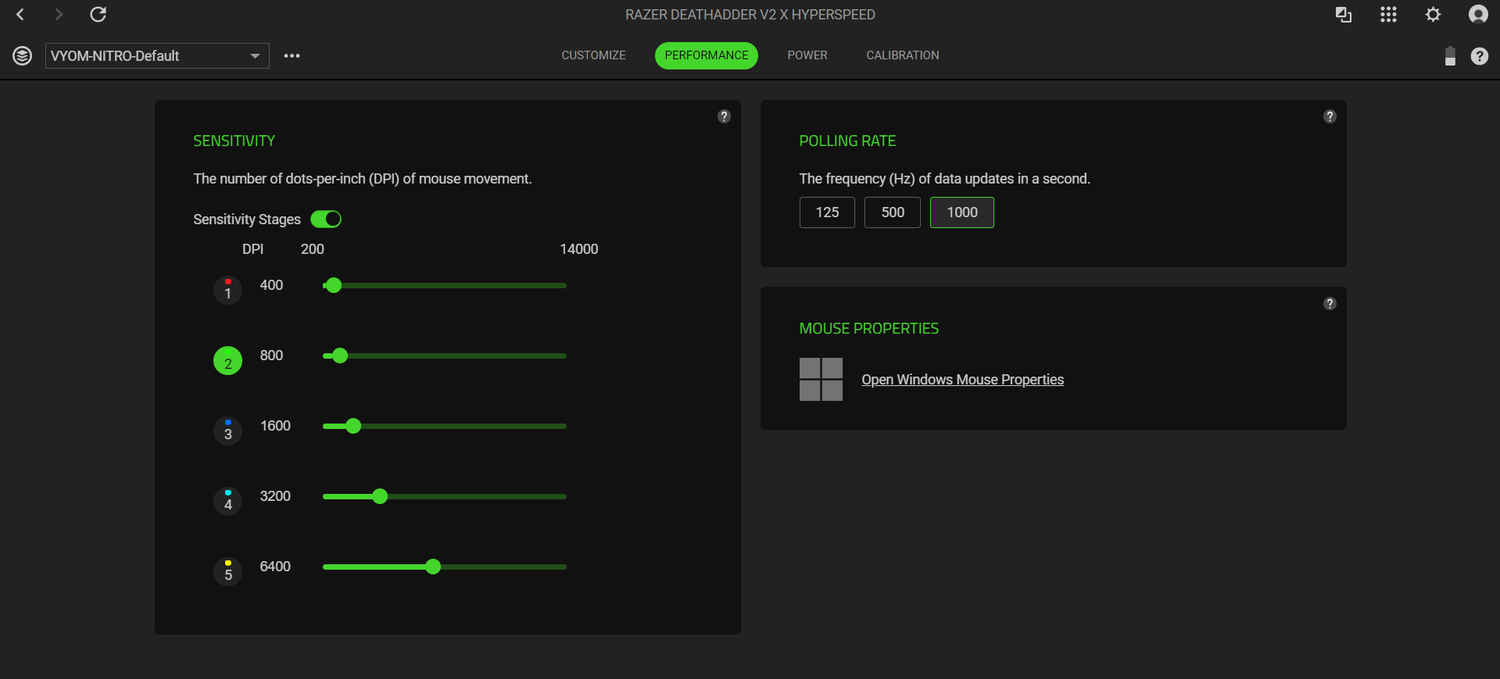
DPI, or Dots Per Inch, quantifies the sensitivity of the mouse sensor. Specifically, it measures the number of digital steps (counts) the cursor moves on the screen for every inch of physical mouse movement.
The Polling Rate dictates the frequency at which the mouse reports its current position and button state to the host computer. It is measured in Hertz (Hz).
Latency is the most encompassing metric. It represents the total time delay between a physical action (such as a mouse movement or click) and the corresponding visual or functional result on the display. Mouse latency is only one component of the total system latency, which includes:
While all three metrics contribute to the overall experience, their importance for achieving the best gaming performance can be strictly ranked.
The most important factor is low end-to-end Latency. Latency is the effect – the measurable delay – that negatively impacts performance. DPI and Polling Rate are causes, but the player only perceives the aggregate delay. Whether the lag originates from the sensor, the USB port, or the display, the consequence is a slower reaction time. Therefore, the single most critical objective in building a competitive setup is the strategic reduction of total system latency.
Second in importance is the Polling Rate. If low latency is the goal, a high polling rate is the most direct way to ensure the mouse does not introduce a performance bottleneck. The difference between 125 Hz (8 ms minimum latency) and 1000 Hz (1 ms minimum latency) is substantial and immediately felt in fast-paced scenarios. Modern mice pushing 4000 Hz or 8000 Hz seek to reduce this hardware-induced delay even further, though these ultra-high rates often demand higher CPU performance.
DPI is the least important factor from a performance standpoint and is best classified as a personal sensitivity setting. It provides the player with the necessary tool to translate their natural hand movement – whether it involves sweeping arm motions or fine wrist flicks – into the desired on-screen movement distance). Exceedingly high DPI settings are rarely used in competitive play, as they offer diminishing returns and can magnify human tremor, reducing precision. The right DPI is simply the one that provides the most comfortable and consistent aiming profile for the individual.
It is critical to understand that Polling Rate and DPI work in synergy. A high DPI combined with a low Polling Rate leads to a poor experience. If the mouse is set to a high sensitivity (high DPI) but only reports its position every 8 ms (low Polling Rate), the cursor will appear to “jump” or stutter, as the computer lacks the frequent data points needed to accurately render the high-resolution movement path.
For the pursuit of best gaming performance, the configuration strategy is straightforward:
| Metric | Competitive Recommendation | Rationale |
| Latency | Absolute minimum system-wide delay. | The direct metric of responsiveness. The lower, the better. |
| Polling Rate | 1000 Hz minimum (or higher). | Essential for minimizing the mouse’s internal sampling latency. |
| DPI | Set between 400 and 1600 (eDPI adjusted). | Customization to match individual aiming style, prioritizing precision and control. |
In conclusion, while the DPI number is often marketed as the metric of quality, it is a matter of customization. Polling Rate is the fundamental measure of hardware speed that controls the smoothness and precision of the data flow. Ultimately, however, the most important factor is the resulting Latency. Serious competitors must prioritize hardware and system settings that drive down end-to-end latency, with a high Polling Rate serving as the non-negotiable foundation for mouse-level input speed.
Also read: Battlefield 6 launch time confirmed globally, here’s when you can start playing the game