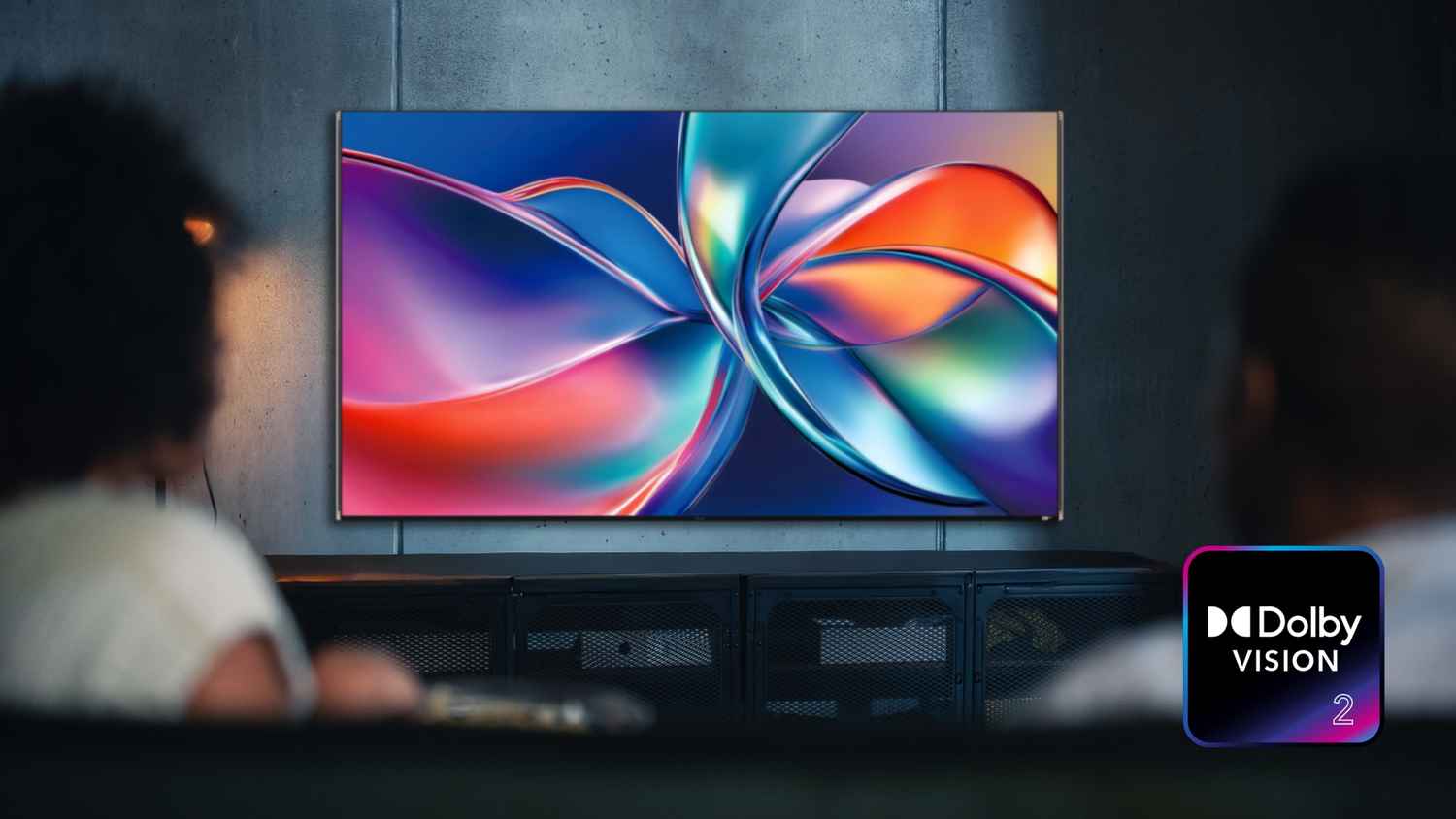
For more than a decade, Dolby Vision has been the benchmark for HDR, bringing cinema-grade visuals to living rooms around the world. Now, Dolby is introducing Dolby Vision 2, an upgrade designed to take advantage of the rapid progress in TV technology while giving creators new tools to shape how their work appears on screen.
Dolby Vision was the HDR gold standard, the thing that made Netflix originals look like they were bathed in cinematic glow, while your friend’s “HDR10-only” TV looked fine but not magical. Today, TV hardware has outpaced Dolby Vision itself. Today’s Mini-LED and OLED panels, along with improved processors, can achieve brightness levels, colour saturation, and contrast ratios that were previously unimaginable.
Dolby Vision 2 is meant to match this leap. At its heart, Dolby Vision 2 is a re-engineered picture engine designed for modern TVs that can hit searing brightness, near-infinite contrast, and wild colour saturation.
As John Couling, Dolby’s SVP of Entertainment, explains: “redefining how we think of Dolby Vision to unleash the full capabilities of modern TVs while giving artists unprecedented opportunities to push their creative boundaries.”
One of the core upgrades is Content Intelligence. This system introduces tools that optimise picture quality based not just on the content itself, but also on the environment in which you’re watching.
This goes beyond older Dolby Vision IQ adjustments by adding intelligence that bridges creative intent and real-world viewing conditions.
A major innovation, especially for filmmakers, is Authentic Motion. This fine-tunes motion handling on a shot-by-shot basis. Instead of relying on blanket motion smoothing, which often introduces the “soap opera effect”, directors can now decide when and how to reduce judder. This could make action scenes sharper and smoother while leaving dramatic sequences untouched, preserving their cinematic feel.
Dolby is offering two product tiers:
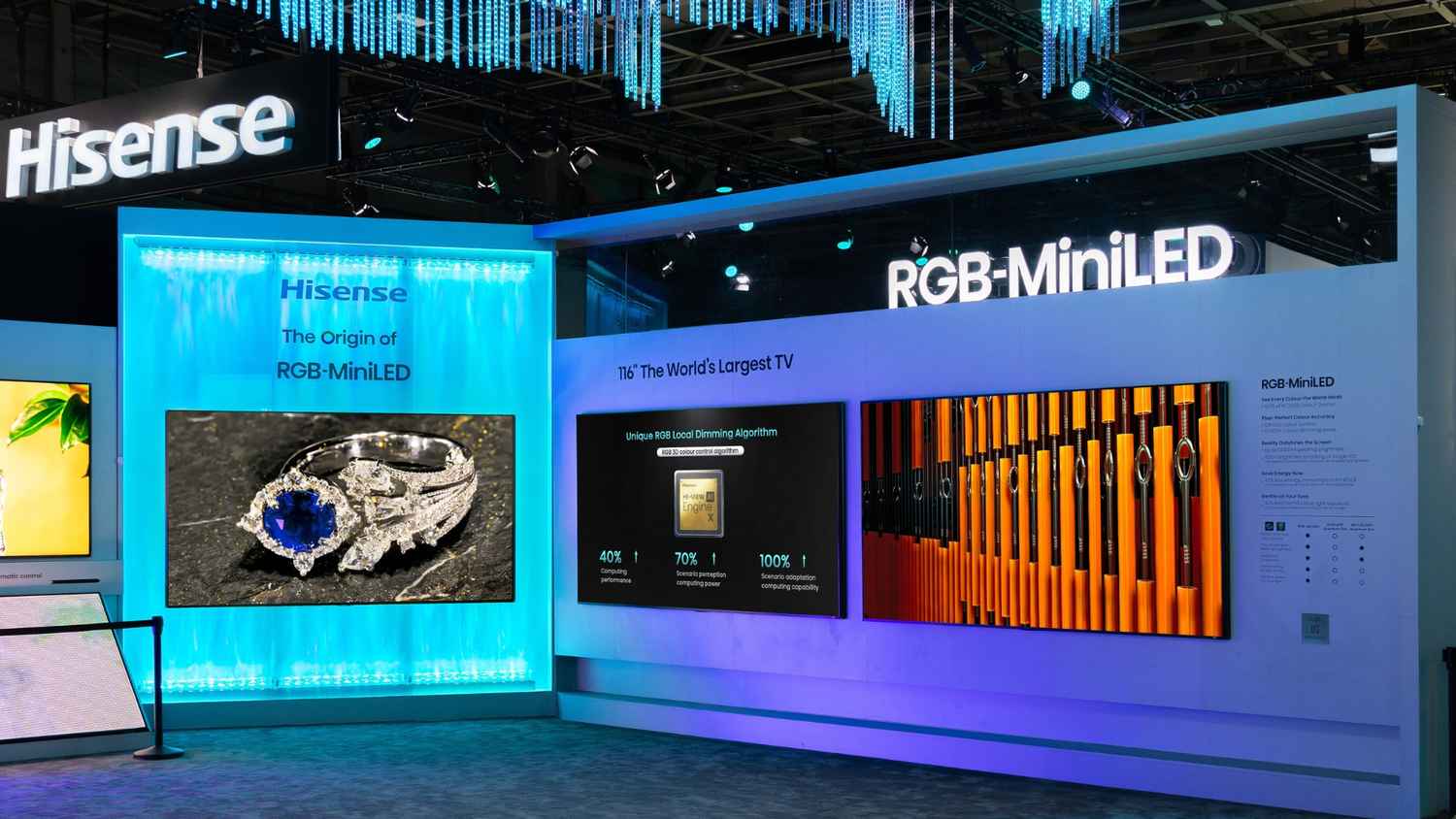
The first TVs to launch with Dolby Vision 2 will come from Hisense, built on the MediaTek Pentonic 800 chip with its integrated “MiraVision Pro” picture quality engine. This is the first silicon platform to support Dolby Vision 2 natively, and Hisense’s RGB Mini-LED technology should highlight what the format can do with ultra-bright and wide-colour displays.
On the content side, CANAL+ has become the first broadcaster to commit, promising movies, series, and live sports in Dolby Vision 2 for its subscribers. Wider adoption from global streaming platforms and studios is expected, but not yet confirmed.
Dolby Vision 2 also expands the scope of HDR beyond brightness and contrast. With new bi-directional tone mapping, it can take advantage of brighter, more colourful TVs while ensuring the creator’s intent is preserved. This means more consistent results across different devices, from premium flagship models to more accessible mainstream sets.
For consumers, Dolby Vision 2 is less about flashy new acronyms and more about solving everyday frustrations. Dark scenes that once looked murky should now retain detail. Watching a film in daylight shouldn’t mean closing the curtains. Sports and gaming will gain more tailored motion and colour handling. And filmmakers will finally have a way to influence how motion looks in your living room, not just in the cinema.
Adoption will take time. Hisense is the first mover, and CANAL+ is the first distributor, but it will likely be 2026 before Dolby Vision 2 becomes widely available on TVs and content. Samsung remains committed to HDR10+, while LG, Sony, and other TV makers have yet to announce plans.
Still, Dolby Vision 2 feels less like an optional add-on and more like an attempt to modernise HDR for the way we actually use TVs today for streaming, gaming, live sports, and film in all kinds of environments.
For anyone who has ever felt that HDR was inconsistent or sometimes even distracting, Dolby Vision 2 could mark the step that makes it finally live up to its promise.