Noise cancellation is a very quality-of-life feature that can help cut down noise in your daily life. The earphones or headphones can restrict outside noises by simply covering the ear, which is called passive isolation. But modern earphones go further with advanced noise-cancelling technologies that include smart use of microphones and algorithms. The most popular solution is Active Noise Cancellation (ANC), which, as the name suggests, actively cancels the ambient noise, and there is also Environmental Noise Cancellation (ENC), which cleans up your sound that goes out to others during calls. While that is the core difference, this article will take a closer look at how ANC and ENC work, the ANC types, which users benefit most from each, and why understanding both technologies matters.
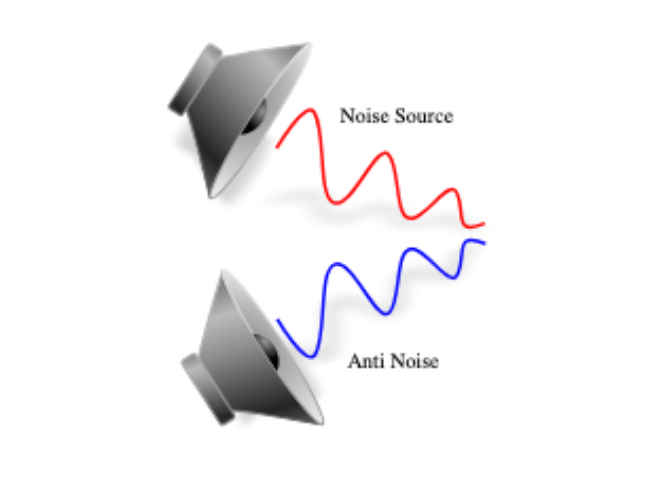
Active Noise Cancellation works by generating 180° inverse frequencies of the noise to cancel it. So, an ANC headphone collects background outside noises with the mics onboard, and its processor employs algorithms to analyse this sound and create the inverted sounds for those noise waves. These inverted sounds are called anti-noise, and they are outputted along with music or other sounds from the input source. The outputted anti-noise cancels ambient noise, and only the music sound reaches your ears.
In the Feedforward ANC setup, microphones are placed on the outside of the earcups or earbuds. These external microphones capture ambient noise before it reaches your ears. Using digital signal processing, the system generates an opposite sound wave to cancel the noise. Feedforward ANC works best against steady mid- and low-frequency sounds like engine hums or air conditioners.
The Feedback ANC setup, meanwhile, uses microphones placed inside the earcups or earbuds, close to your ears. These internal microphones detect the noise that actually reaches your ear, including any sound that wasn’t cancelled properly. So, the underlying processor has to work in real time to analyse and quickly create appropriate anti-noise. This ANC can be sensitive to the earphones’ fit and movement within the ear.
And finally, we have modern headphones with a combination of Feedback and Feedforward ANC and are thus called Hybrid ANC. Since it cancels a wider range of noise frequencies, hybrid ANC tends to be more effective. However, the extra processing power and advanced algorithms make it more complex and often more expensive.
Besides these three ANC types, you will also come across terms like Adaptive noise cancellation and Adjustable ANC on the web. Adaptive Noise Cancellation is similar to Hybrid ANC in the sense that it employs algorithms for real-time processing and cancellation of noise. Meanwhile, the Adjustable ANC allows you to increase or decrease the noise cancellation level through the companion app or physical controls on the headphones.
Also Read: Sony BRAVIA 5 vs Samsung QN90F: Mini LED TV specs comparison
While ANC reduces all surrounding noise for the listener, ENC focuses on filtering out background noise so the user’s voice sounds clear to the recipient.
| Feature | Active noise cancellation (ANC) | Environmental noise cancellation (ENC) |
|---|---|---|
| Primary purpose | Affects what you hear | Affects what others hear |
| How it works | Uses external and internal mics to create inverse sound waves that cancel noise. | Uses beamforming mics and algorithms to identify and suppress non-speech noise in the mic signal. |
| Main benefit | Cleaner listening experience, better focus in noisy environments. | Clearer voice during calls and voice recordings. |
So, if you want to block ambient noise for music or concentration, you want ANC, and if you need clearer voice calls, you need ENC.
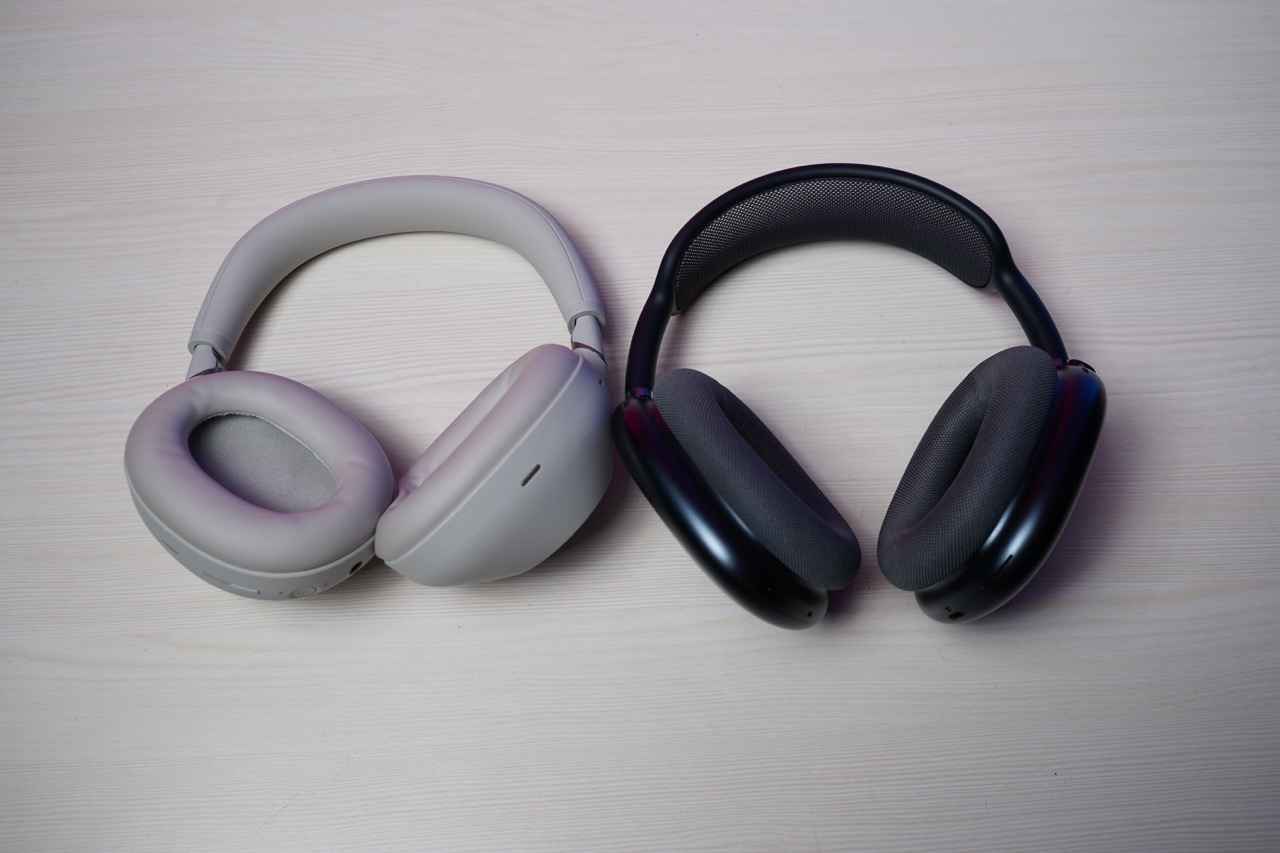
Your budget determines the level of ANC performance and features. High-end models like Sony WH-1000 series, Apple AirPods Max, Bose QuietComfort series, and Sennheiser MOMENTUM 4 Wireless offer advanced algorithms and hardware for superior noise cancellation.
ANC headphones should be able to block low-frequency sounds such as engine noise or air conditioning hum. High-frequency noises, including human speech, may not be fully eliminated.
The headphone fit impacts passive isolation. Over-ear designs generally offer better isolation and comfort, which is important for long listening sessions.
Check the battery life with ANC activated. ANC can drain the headphones’ battery, and so, you want something that lasts long so that you get uninterrupted use, especially during travel or extended listening sessions.
Yes, modern earphones and headphones implement both ANC and ENC, but they work independently.
Yes, select headphones like the Sony WH-1000XM3 and XM4 have Noise Cancellation Optimiser to adjust the level of ANC.
Keep reading Digit.in for such comparisons and explainers.
Also Read: Sony WH-1000XM6 vs Apple AirPods Max specifications comparison