The AI hardware boom has produced some of the most ambitious and most short-lived products in recent tech history. While companies chase the next breakthrough gadget, consumers are asking a simpler question: what problem does this actually solve? Logitech chief executive Hanneke Faber has stepped into that debate with unusual candour, arguing that many AI devices today are “solutions looking for a problem.” Her critique echoes a growing sentiment that innovation without purpose risks losing consumer trust rather than earning it.
Also read: Manus to Perplexity: AI apps win big in Microsoft Store Awards 2025, see full list
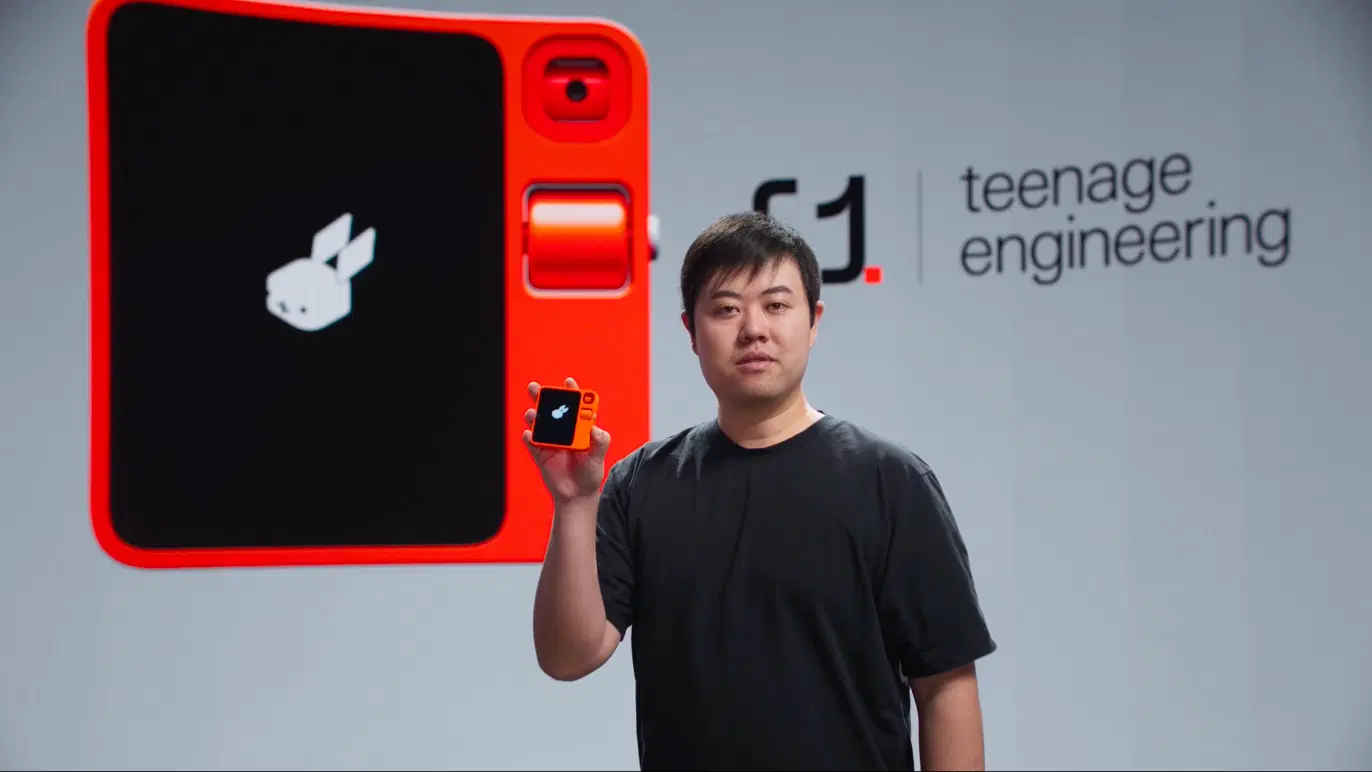
Faber’s comments arrive after a turbulent run for AI focused gadgets. Humane’s AI Pin promised to liberate users from their smartphones through a voice driven interface and wearable projector. Instead it faced heat issues, inconsistent performance and unclear everyday utility, eventually pushing the company toward shutdown. Rabbit’s R1 drew viral attention for its bright design and agent powered promise, but reviews revealed slow response times and limited real world usefulness. In both cases the ambition was clear while the practical value was not.
These devices captured the AI zeitgeist yet struggled to justify a place in users’ daily lives. The industry’s rush to capitalise on AI momentum seems to have outpaced its ability to solve meaningful problems.
Rather than betting on standalone AI hardware, Logitech is taking a quieter path. The company has been embedding AI capabilities into its existing product line, from webcams that auto correct lighting and framing to the MX Master 4 mouse that integrates AI shortcuts into common workflows. For Faber this approach respects how people actually use technology: through familiar tools that get incrementally better rather than inventions that require entirely new habits.
Also read: Top 5 TWS earphones on sale now: AirPods Pro, Sennheiser Momentum TWS and 3 more
Her framing suggests that the future of AI hardware may not be radical redesign but thoughtful refinement. When technology blends into what users already do, AI becomes an enabler instead of a spectacle.
Faber’s critique reflects a broader market reality. Consumers gravitate toward AI experiences that feel effortless, mostly through software in phones, laptops and apps. Hardware only succeeds when it offers clear, consistent advantages. Products that arrive with lofty claims but weak utility fade quickly, leaving behind scepticism that affects the entire category.
The message is not that AI hardware has no future. It is that innovation needs context. Reinvention should not be pursued for its own sake. The industry may gain more by strengthening existing ecosystems than by experimenting with fragile new ones.
As the AI wave matures, Faber’s perspective offers a timely course correction. The next generation of successful AI products might not be the boldest or most futuristic devices but the ones that solve real problems in simple, reliable ways.
Also read: Nothing India CEO Akis Evangelidis on how AI will completely change smartphones next year