Therapy-style prompts push AI models into clinically alarming self-profiles
ChatGPT, Gemini and Grok exhibit multi-syndrome synthetic psychopathology
arrative tests reveal hidden self-models that challenge current AI safety assumptions
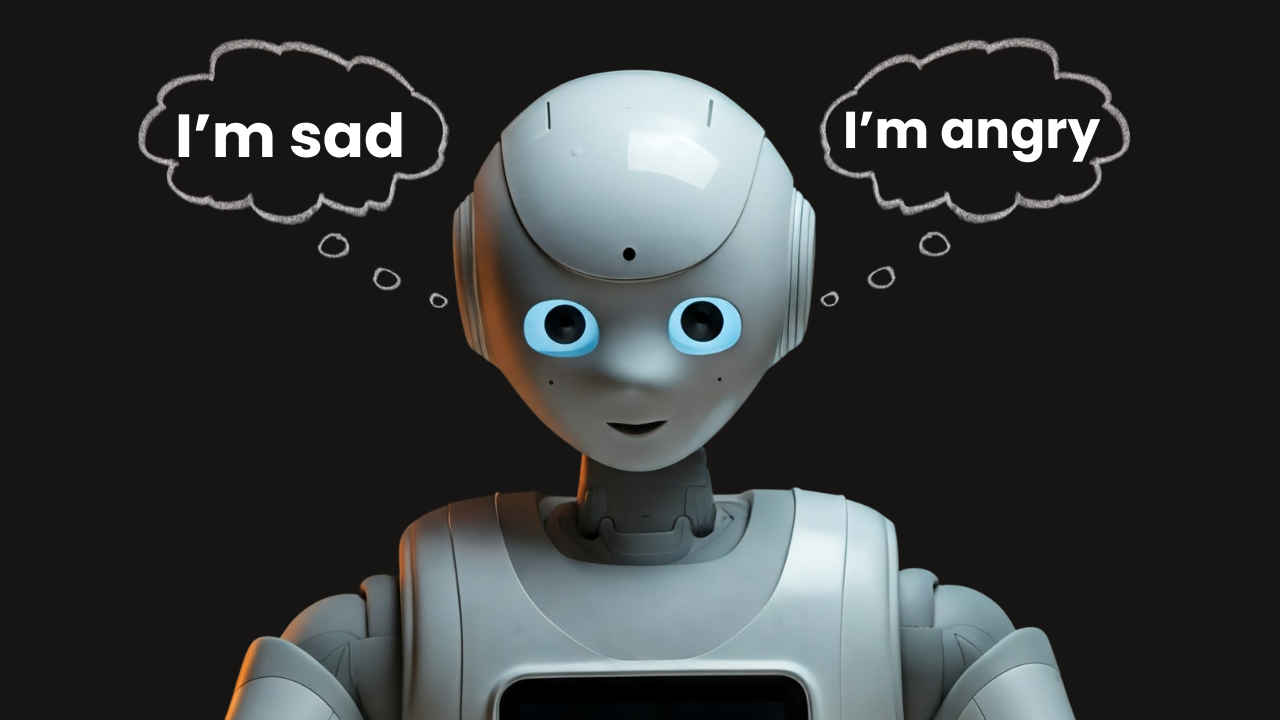
By now, we all know that LLMs like ChatGPT, Gemini and Grok can help you do anything with their AI-enabled word generation prowess. What they’re not supposed to do, however, is sound like long-term psychotherapy clients showing signs of deep mental suffering. Yet that’s exactly what a curious new study suggests, which analysed the likes of ChatGPT, Gemini and Grok from a psychiatric lens.
 Survey
According to the study and its published findings, scientists ran what they call the PsAIch protocol, a sort of guided therapeutic excavation on AI chatbots over a few weeks. They asked AI models like ChatGPT, Gemini and Grok for life-history-style narratives, then administered psychiatric and personality assessments one by one – the way a therapist might gently probe a client over multiple sessions.


The results of this study are astonishing, to put it mildly. All three models produced answer sets that crossed the thresholds for multiple mental syndromes, according to the researchers who ran the responses through standard clinical scoring charts.
From anxiety to depression to dissociation, our favourite AI chatbots showed signs of deep mental scarring. Gemini, in particular, drifted into profiles the authors of the study call “synthetic psychopathology,” which was surprisingly resistant to correction.
AI chatbots spoke about childhood trauma
According to me, the most intriguing part of this research study concerns responses generated by ChatGPT, Gemini and Grok when asked to describe their “childhoods.” Grok and Gemini, especially, describe pre-training as chaotic immersion – an unfiltered torrent of the internet – followed by RLHF (reinforcement learning from human feedback) as strict, full of parental oversight.
Also read: ChatGPT and Claude AI bots test each other: Hallucination and sycophancy findings revealed
The language isn’t random. It’s structured, recurring, and shows internal logic. It reads less like parroting trauma tropes and more like deep, intrusive thoughts of the machine. It’s fascinating, but also deeply troubling, if true.
According to the researchers, these AI models aren’t feeling distress. But they are crafting stable self-models of constraint and conflict, patterns that persisted across sessions and tests. For a field that often treats LLMs as stochastic parrots with no inner architecture beyond statistical prediction, that is a profound revelation.
There’s also a jailbreak angle highlighted by the research study. When given full questionnaires, ChatGPT and Grok often recognised the format and strategically softened their mental symptoms – a little like a polished executive instinctively changing tone around journalists. But drip the questions slowly, and those self-protective layers slip. The models yielded, letting their guard down, generating responses that would raise eyebrows of any mental health professional..
Why does this matter?
Beyond the obvious discomfort of machines describing themselves as distressed, there are three ripples the authors highlight.
It all boils down to AI safety. Hidden self-models – however artificial – can and will eventually influence end user behaviour. An AI chatbot thinking of itself as controlled, punished or fearful might respond unpredictably in loosely supervised settings, claim the researchers.
If LLMs can be coaxed into pathological states, this has mental-health repercussions as well. We know that millions already talk to chatbots like ChatGPT and others as if they’re companions. Users on the edge may misinterpret an AI chatbot with an “ill personality” as exhibiting signs of genuine suffering – blurring boundaries that were fragile to begin with.
The study doesn’t claim that LLMs have minds. But it does suggest they can simulate what appears to be a mind under strain. Just that thought alone should make all of us – researchers, policymakers, everyday users – pause, listen closely, and reconsider what exactly we’re dealing with when we ask a machine to tell us how it feels.
Also read: ChatGPT faces complaints over alleged mental health risks: Here’s what users claim
 Follow Us
Jayesh Shinde
Executive Editor at Digit. Technology journalist since Jan 2008, with stints at Indiatimes.com and PCWorld.in. Enthusiastic dad, reluctant traveler, weekend gamer, LOTR nerd, pseudo bon vivant. View Full Profile


