
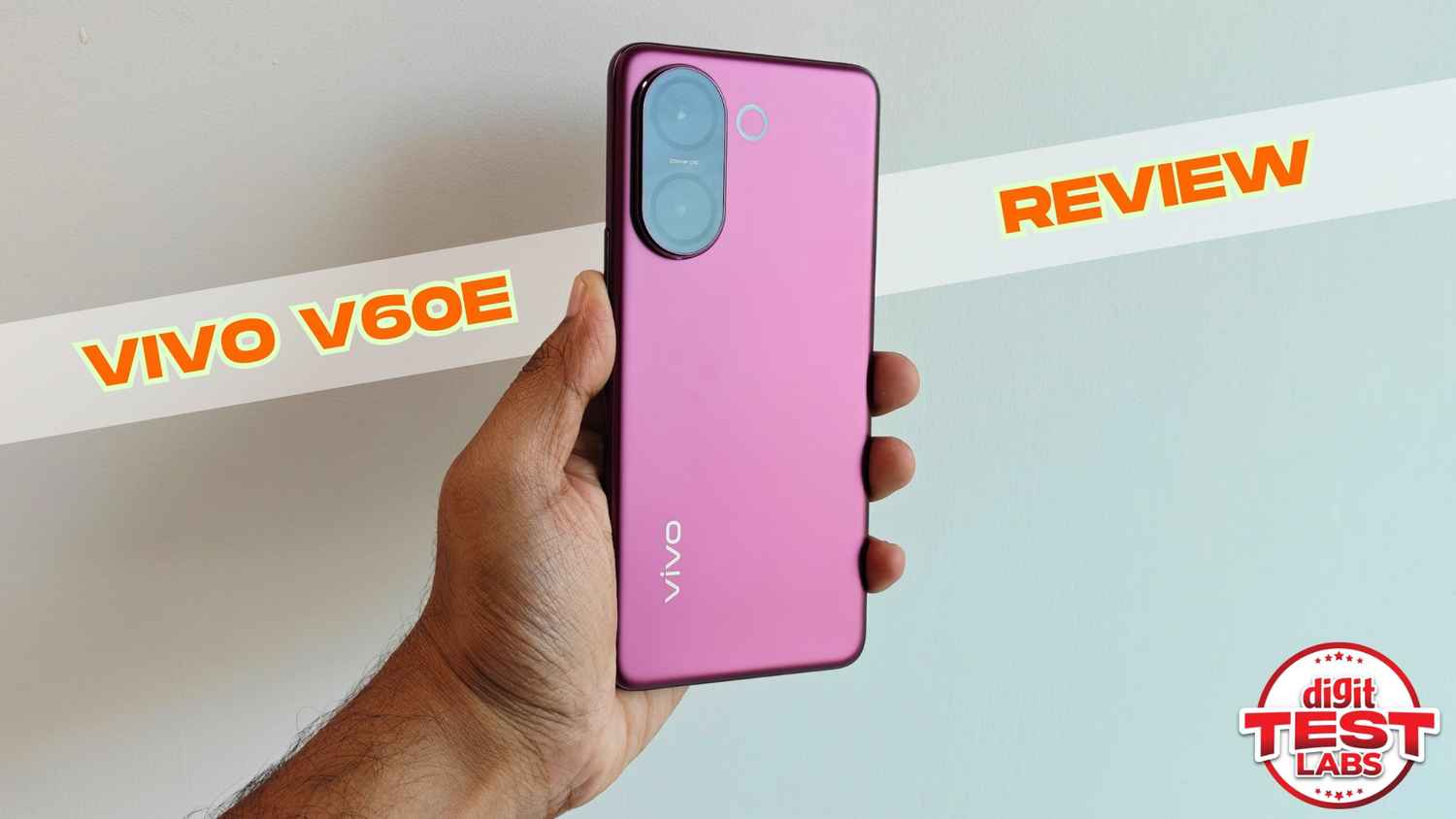
The Vivo V60e is a mid-range phone with a good camera, decent specs, a few AI tricks here and there, and done. It’s not bringing something brand new to the table, and for good reason, but it does want to roll a little smoother than the V50e.
The V60e is an iterative upgrade, yes, but it gets a newer Dimensity 7360 Turbo chip that replaces the 7300, the main camera jumps from 50MP to 200MP, and the battery capacity climbs from 5,600mAh to 6,500mAh. It’s also one of the few phones in its segment to offer IP68 and IP69 protection, 4K recording on both cameras and a quad-curved AMOLED display, all wrapped in a 190 gram body.
So the real question isn’t what Vivo added this year, but whether any of it truly changes how the V-series feels to use.
Design and Build Quality

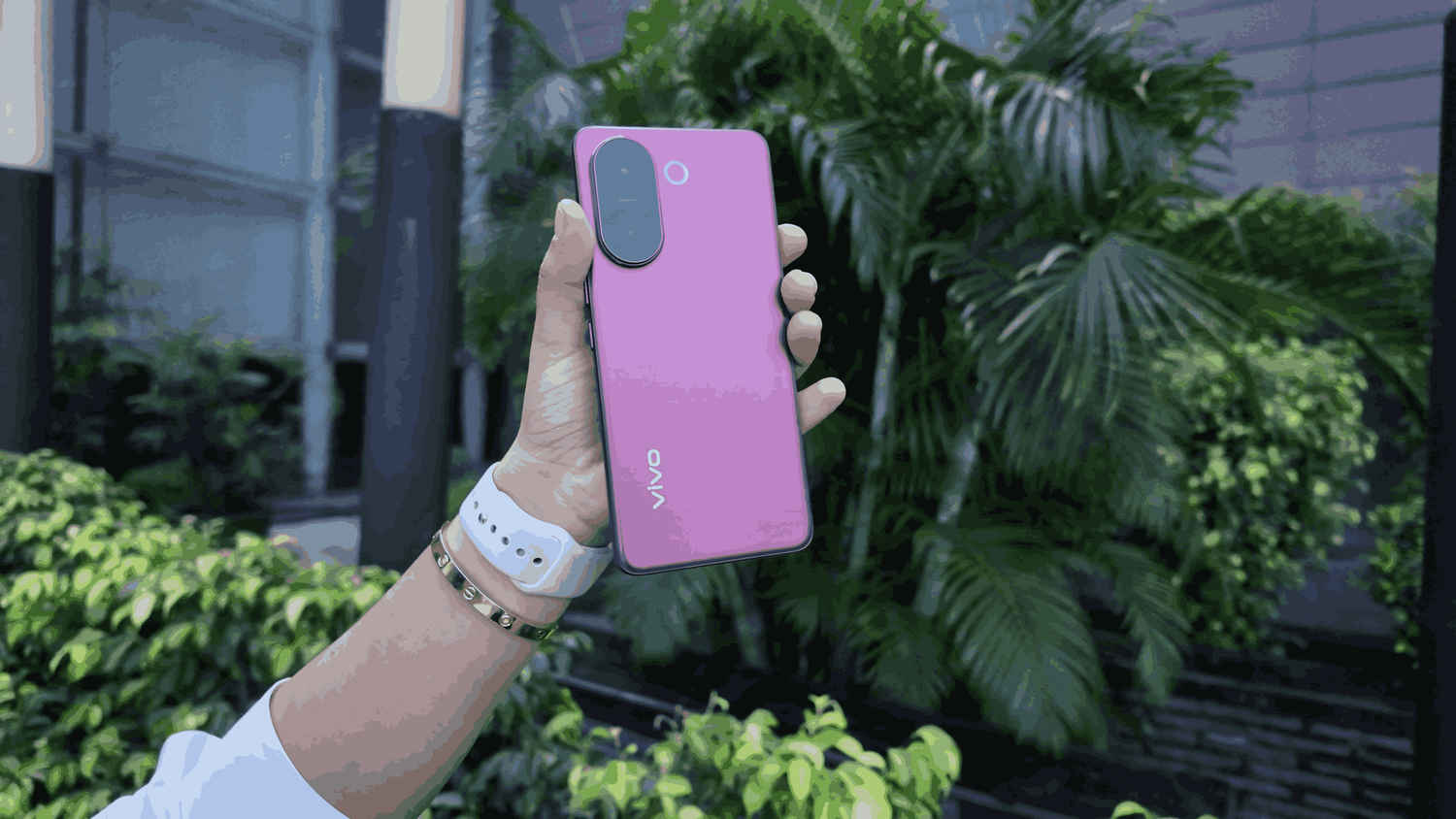
The V60e doesn’t stray far from the usual V-series formula, it’s got the sleek curved edges, two elegant colours: purple and gold and a premium feel that aims to impress right out of the box. That said, the design is a bit more refined than the last model, with the quad-curved screen flowing more naturally into the edges, and it doesn’t go overboard with the curves.

Despite housing a significantly larger 6,500mAh battery, the phone remains impressively slim at 7.9mm and light at 190g, just 4 grammes more than the V50e. The back panel is made of a plastic composite, not glass, but it’s well-finished enough to pass the casual glance test. It doesn’t creak, doesn’t flex and most importantly, feels solid in hand.
The Diamond Shield Glass adds a layer of drop resistance, and IP68/69 certification gives it most of its durability cred, which is reassuring for daily use. Both colour options, purple and gold, are bright, have a subtle matte finish and a bit of flair that keeps the V-series manifesto at the forefront.
Display


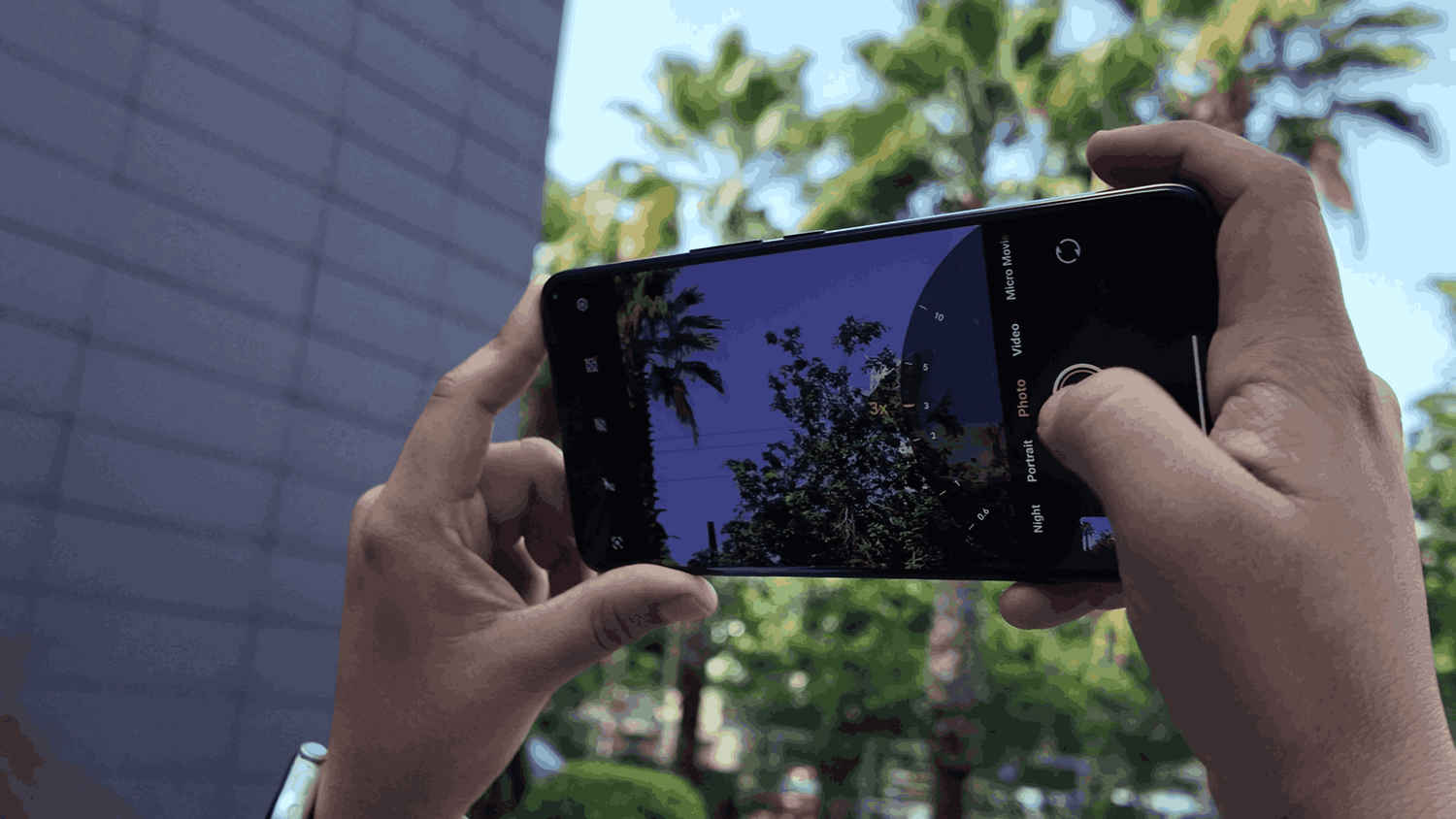
The V60e clearly outshines the V50e when it comes to the display quality. The 6.7-inch quad-curved AMOLED screen feels more premium in use, and while Vivo claims a 1600 nits of local peak brightness, in my testing, the panel hit a much higher 2550 nits of peak brightness in the Bright colour profile and 1065 nits in the manual mode. This makes it one of the brightest screens in the sub-Rs 30,000 bracket and is easily visible under harsh sunlight.
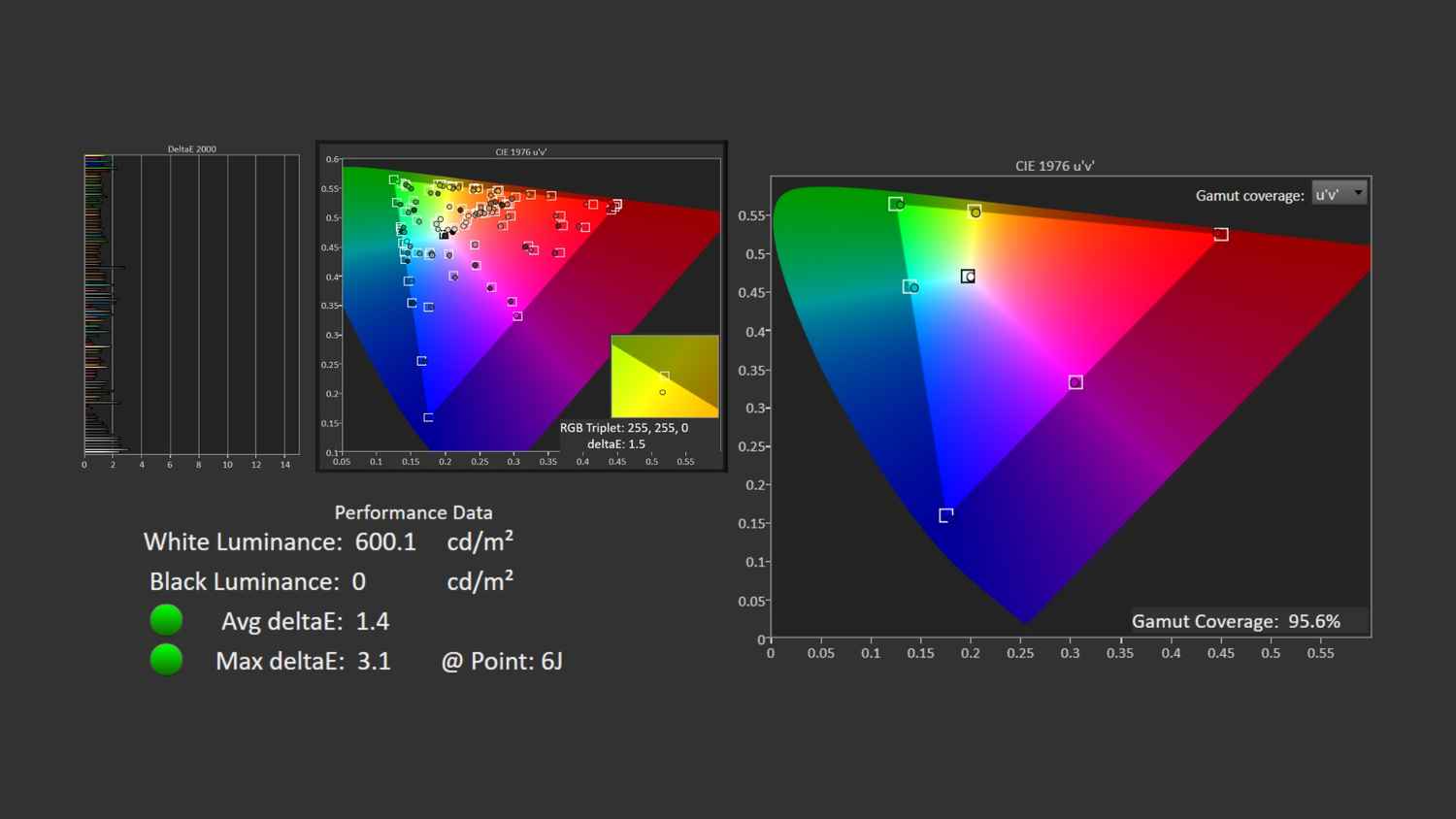
The V60e display also nails the colour accuracy. In our Calman ColourChecker analysis, the V60e posted an average Delta E of 1.4 and a maximum Delta E of 3.1, which means colours are rendered impressively close to their intended tones. The 95.6% sRGB coverage ensures the display looks vibrant yet natural.
In daily use, the display delivers solid contrast, deep blacks and even at high brightness, there’s no colour shift or banding across tones. The 120Hz refresh rate keeps scrolling and animations smooth and fast. The HDR10+ support works well across YouTube and OTT apps such as Netflix, Prime Video, and the quad-curved design of the screen adds a sense of depth when viewing content, making it immersive and free of glare and ghost touches.
Cameras
The jump from V50e’s 50-megapixel camera to the V60e’s 200-megapixel main camera gives impressive results, especially because Vivo leans into computational photography with a large 1/1.56-inch Samsung HP5 sensor that offers over 150% light-sensitive area.
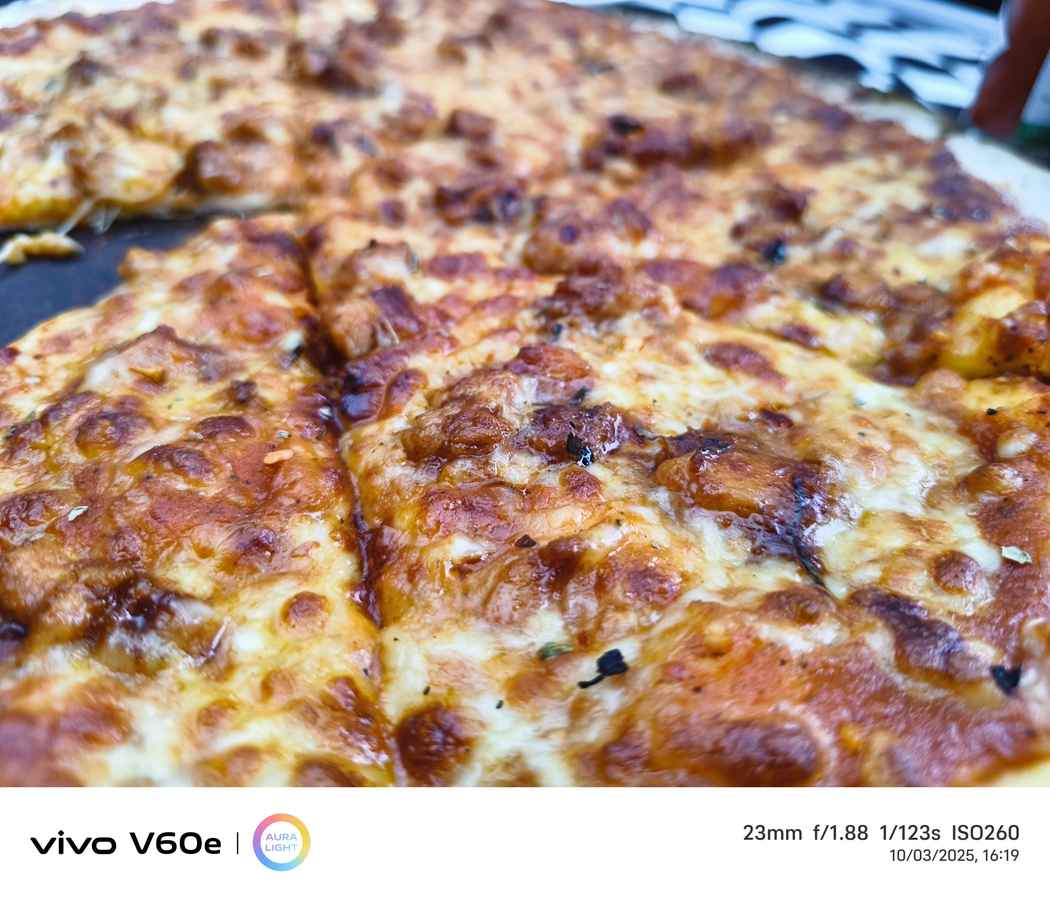


In daylight, the V60e’s 23mm primary camera delivers vivid, balanced images. Colours have the familiar Vivo punch and are slightly saturated but rarely unnatural. The camera maintains excellent detail and dynamic range, pulling back highlights in bright skies while preserving textures in shaded areas. The software sharpening is visible but controlled, giving photos that clean, ready-to-post look without overprocessing. Compared with the V50e, detail and dynamic range are clearly improved, thanks to both the higher-resolution sensor and better tuning.



Zoom performance, however, is where the limits of computation show. The phone relies on in-sensor cropping for 2x shots, which remain highly usable and consistent with the main camera’s colour science. Beyond that, quality drops fast. At 3x and 5x, images look softer, with fine textures smearing under noise reduction.


The 8MP ultrawide camera is a pleasant surprise. Colour consistency with the main sensor is well maintained, distortion is minimal, and detail loss at the edges is mild.


The 200MP high-resolution mode works as advertised, but it’s best viewed as a niche tool. You’ll see slightly sharper detail when cropping heavily, but the difference isn’t dramatic, and dynamic range takes a hit. It’s useful for daylight scenery, less so for everyday photography.
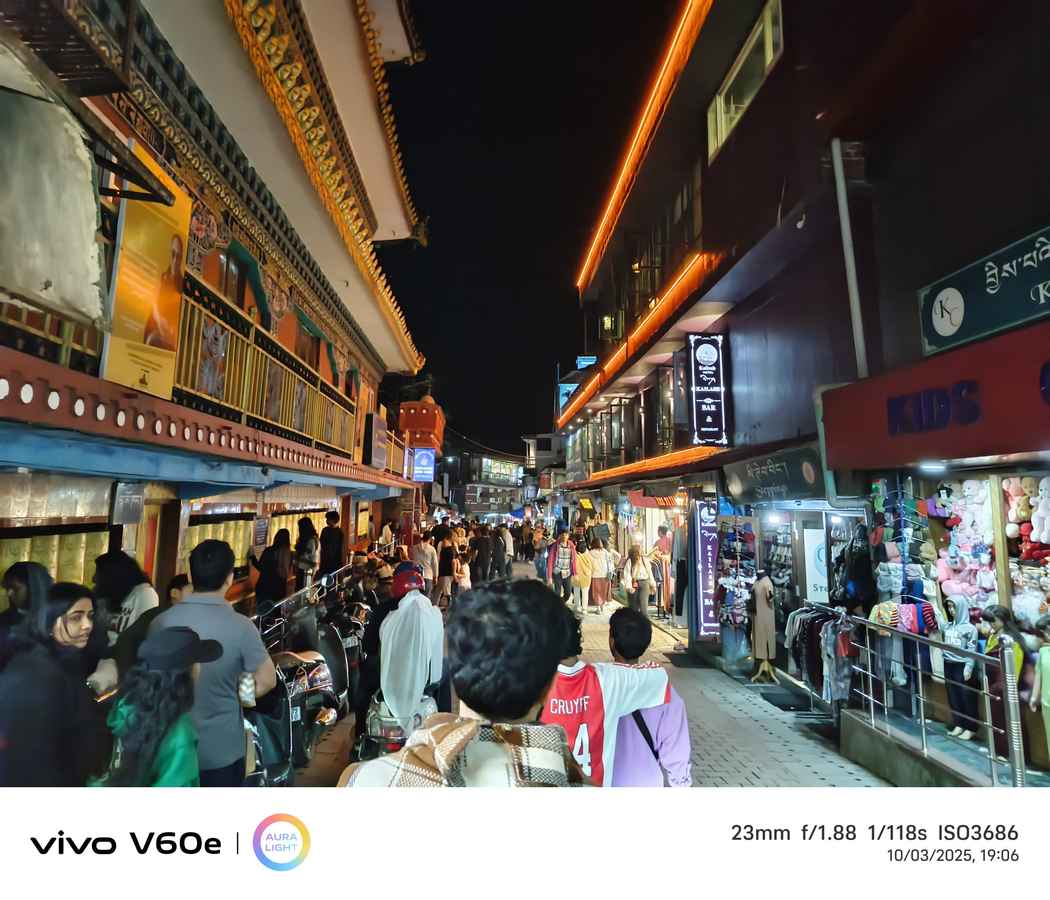


Low-light performance is where the V60e quietly earns its stripes. Exposure is bright without looking artificial, highlights from neon signs or streetlights are well contained, and colours stay lively even at high ISO. Noise is present, but it’s fine-grained and rarely distracting. Vivo’s processing is confident enough that you rarely feel the need for manual adjustments.



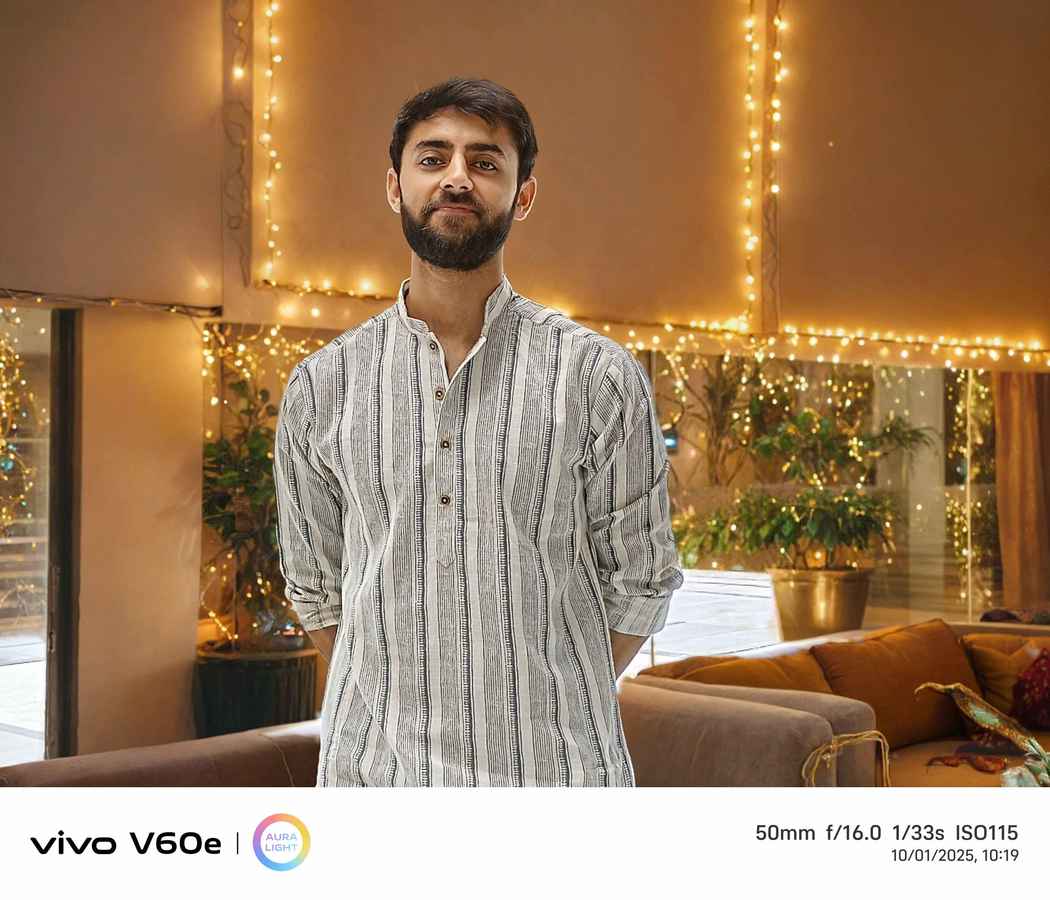
Then there’s the AI layer with features like AI Festival Portraits, Wedding Style Studio and Four Seasons Mode that move beyond filters into scene-aware rendering. The phone intelligently adjusts subject lighting and tones to match artificial backgrounds, producing surprisingly convincing results. Edge detection is refined, lighting transitions are believable, and the output feels more cinematic than gimmicky.


Portrait shots benefit from the same computational precision, where subject separation is clean, bokeh transitions are smooth, and skin tones look more natural than on earlier Vivo models.
While you still hit the limits of physics when zooming, for point-and-shoot photography, portraits, and creative AI use, this is a genuine upgrade over the last generation.
Performance
The upgrade from Dimensity 7300 on the V50e to the Dimensity 7360 Turbo might look like an incremental upgrade on paper, but it actually gives the V60e better sustained performance and thermals, thanks in part to the vapour cooling chamber. In benchmarks, the V60e posted an AnTuTu score of 882,943, which is roughly a 29% increase over the V50e and in Geekbench, the scores are identical to the previous generation.
In the CPU throttling test, the V60e maintained 95% of its peak performance, which means that in sustained workloads like gaming or during multitasking, it prioritises stability and efficiency over peak bursts. The PCMark Work score also saw a marginal 2.8% improvement, which translates into smoother daily performance in tasks such as browsing, editing and content playback.
In my use, the V60e remained fast and fluid with quick app launches, smooth animations and great thermal management. While the Dimensity 7360 Turbo doesn’t make the V60e dramatically faster than the previous generation, it makes it more stable, efficient and consistent, which actually matters more in this price segment.
Battery and Charging
The V60e makes a noticeable leap over the V50e when it comes to battery life. On paper, the capacity has increased from 5,600mAh to 6,500mAh, and that pays off in endurance tests. It’s also how Vivo has tuned the Dimensity 7360 with the Silicon Carbon anode battery, keeping thermals and charge retention steady. It doesn’t heat up noticeably and doesn’t run out of battery in intensive use.
In the PCMark Battery Life test, the V60e clocked 22 hours and 28 minutes, which is roughly 32% longer than the V50e. This translates to almost two full days of battery life on moderate use or a day’s worth of heavy use.
The V60e also supports 90W charging as the V60e but a full charge now takes around an hour, compared to the 50-minute full charge cycle of the V50e.
Verdict
As I mentioned at the start of this review, the V60e doesn’t bring a disruption in the segment, but every upgrade here is deliberate: a 29% performance uplift, a larger 6500mAh battery and a 200MP main camera that improves daylight and portrait photography.
Consistency is another big factor. The design is in line with the latest V-series models, and it’s just built better than the last generation. The display is bright and colour-accurate, the performance is stable, and even the AI features tread a fine balance between realism and creativity.
At Rs 29,999, the V60e is a balanced mid-ranger that quietly delivers better endurance, imaging, and refinement without losing sight of dependability.
vivo V60e Key Specs, Price and Launch Date
| Release Date: | 10 Oct, 2025 |
| Market Status: | Launched |
Key Specifications
 Follow Us
Siddharth Chauhan
Siddharth reports on gadgets, technology and you will occasionally find him testing the latest smartphones at Digit. However, his love affair with tech and futurism extends way beyond, at the intersection of technology and culture. View Full Profile


